Al-Jazeerah 

ccun


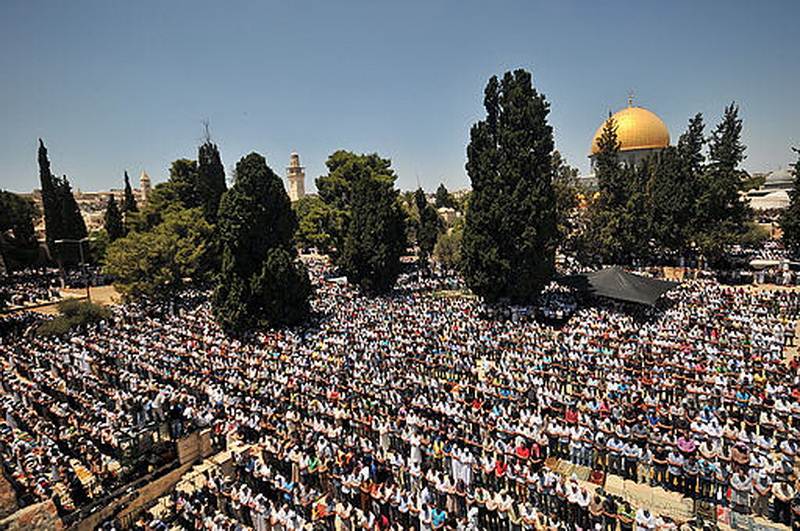
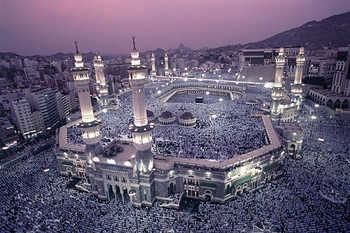
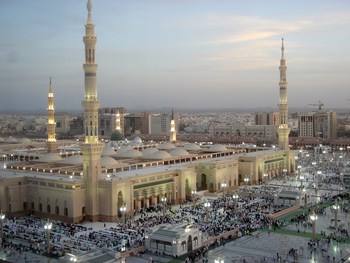
Al-Haram Mosque in Makkah The Prophet's Mosque in Madinah . Al-Aqsa Mosque Compound in Jerusalem


Books About Islam  


By Dr. Hassan Ali El-Najjar 


Book I. Islam: A Scientific View of God's Message to Humanity 


1. Islam: A Brief Introduction     


2. Three Levels of Faith: Islam, Iman, and I'hsan     


3. The Scientific Evidence That God Exists and the Holy Qur'an Is His Message to Humanity     


4. Creation and Evolution in the Holy Quran  


5. Humans, As God's Caliphs on Earth  


6. Adam's Contest With the Angels, and Getting Out of Paradise


7. Worshippers By Choice Or Forced Slaves?   


8. The Relationship Between the Spiritual and the Physical in Islamic Teachings 


9. Spirit, Soul, Mind, Self, and Happiness from an Islamic Perspective   


10. Heart-Mind Relationship in the Holy Quran  


Book II. A Scientific View of the Five Pillars of Islam


1. Islamic Proclamation of Faith  


2. Performing Islamic Prayers  


3. Giving Zakat, Charity, The Third Islamic Duty  


4. Fasting and Ramadhan, Great Gifts from Allah to Muslims  


5. Haj, Pilgrimage, the Fifth Pillar of Islam


Book III. Allah and His Good Names: Who Is He? What Does He Want for Humans  


1. God’s Physical Features 


2. Why Did Allah Create Humans? 


3. Methodological Background of Writing About the Good Names of Allah


4. The Full List of the Good Names of Allah 


5. Verbal Names, Unique Qualities Denied to Others, and Deducted Traits 


Book IV. Messengers of Allah to His Human Caliphs on the Earth 


1. Messengers, Prophets, Miracles, and Prophecies 


2. Messengers of Allah and His Prophets, Mentioned in the Holy Quran


3. Angels: The Honorable Worshippers of Allah


4. Noo'h (Noah): The Ark Builder, in the Holy Quran  


5. Ibraheem (Abraham), God's Good Friend, in the Holy Quran


6. Moosa (Moses): The Messenger Supported with Nine Miracles, in the Holy Quran


7. 'Eisa, Jesus, the Son of Mary: God's Creation Miracle, in the, Holy Quran  


8. Mu'hammed: God’s Mercy to the Worlds,  in the Holy Quran


9. Prophet Mu'hammed's Night Journey and Ascent to Heavens, Al-Isra Wal Mi'raj  


Book V. God’s Precise Measurement, His Just Decrees, and the Last Day 


1. Signs of the Hour 


2. .The Last Day, The Hour, Resurrection, Reckoning, and Judgment  


3. God's Precise Measurement and His Just Decree, Al-Qadar Wal Qadha 


Book VI. I'hsan: Watching Allah in What We Say and What We Do 


1. Introduction to Islamic Law, (Shari'a), Part I: Commands of  Prohibition and Admonition, the Holy Quran 


2. Introduction to Islamic Law (Shari'a),  Part II: The "No" Commands in the Holy Quran 


Book VII. I'hsan: Watching Allah in What We Say and What We Do 


Introduction to Islamic Shari’a: Imperative Commands of Justice and Righteousness, in the Holy Quran


***


Articles with Islamic Perspective:


Health Care Crisis in the US: An Islamic Perspective


"Terrorism" & "Islamo-Fascism" Propaganda Campaigns: An Interactive Lecture


Six Questions About Islam, Muslims and Jews


Five Islamic Issues: Predestination and choice, position toward other religions, angels, and the End of Days


Food: Islamic Rules and Teachings  


Are Muslim women second-class citizens  


The French Ban on Islamic Headscarf


Links to Islamic Topics


Links to Islamic Topics 2007


Links to Islamic topics 2006


Links to Islamic topics 2005


Links to Islamic topics 2004


Links to Islamic topics, 2003


2002 Links to Islamic topics


***

***


Book 4


Messengers of Allah

to His Human Caliphs, on the Earth


***


Chapter 9:


Prophet Mu'hammed's Night Journey

and Ascent to Heavens,   

(Al-Isra Wal Mi'raj)


Peace and blessings of Allah be upon him


By Hassan Ali El-Najjar


1447 / 2026


***


الإسْرَاءُ وَالمِعْرَاجُ:  

رِحْلَةُ النَّبِيِّ مُحَمَّدٍ لَيْلاً

إلَى بَيْتِ المَقْدِسِ وَصُعُودُهُ إلَى السَّمَاءِ


عَلَيْهِ الصَّلَاةُ وَالسَّلَامُ


تأليف

حسن علي النجار


1447 ه \ 2026 م


***


أعوذُ باللهِ منَ الشيطانِ الرجيم

بِسْمِ اللَّـهِ الرَّحْمَـٰنِ الرَّحِيمِ


I seek refuge with Allah from the Stoned Shaytan (Satan)

In the name of Allah, the Beneficent, the Merciful


Introduction 


By the twelfth year of his mission, the Messenger of Allah, Mu’hammed, peace and blessings of Allah be upon him (pbbuh), was very sad for the great loss he had, due to the deaths of  his wife Khadeeja, peace be upon her (pbuh) and his uncle Abu Talib. In addition, he was greatly disappointed of the stubborn rejection of his people in Makkah to his mission. Moreover, he was ridiculed and mistreated by the people of Al-Ta-if, when he tried to invite them to Islam. 


Meanwhile, early Muslims were persecuted by the Quraysh disbelievers. Therefore, he advised those who were capable among them to immigrate to Abyssinia (Ethiopia) while the disbelievers continued their persecution of the Muslims who remained in Makkah. 


So, Allah, praise to Him, wanted to console and lift the morale of His Messenger. He commanded the Angel Jibreel (Gabriel), peace be upon him (pbuh) to accompany him in a Night Journey, taking him from the 'Haram Mosque in Makkah to Al-Aqsa Mosque in Baytul Maqdis (Al-Quds, Jerusalem), then to the seven heavens and beyond, and back to Makkah, all in a short time, in part of one night, in what has become known as “Al-Isra wal Mi’raj” (The Night Journey and Ascension). 


In the morning, the Messenger of Allah talked about his Night Journey to people, which was another opportunity for the disbelievers to attack him, casting doubt on what he said, and calling him a liar. However, it was a glad tiding for most Muslims, whose faith was reinforced by hearing about it. 


Muslim scholars debated about the Night Journey, whether it was by soul only or by body and soul. The conclusion of the majority of them was that it was indeed by body and soul, while he was awake. 


It was one of the greatest events in the Mission of the Messenger of Allah, pbbuh, and in the history of Islam. It was also a prophecy about the future human flying in aircraft, on the Earth, and in other devices up to outer space.


This Chapter explores several aspects of the Night Journey. It is divided into six sections, providing a brief background and a description of that event, the text of the ‘Hadeeth about it, 16 educational illustrations about sins and sinners, which the Messenger of Allah, pbbuh, saw in the first heaven, the people’s reaction to the story about it, and some discussions by Muslim scholars researching it.


 ***


First, Background to the Night Journey and Ascension (Al-Isra Wal Mi’raj) Event 


The Messenger of Allah, Mu’hammed, pbbuh, was born on 12th of Rabi' Al-Awwal, fifty-three years before his hijra (immigration) from Makkah to Medina. That year was 570 AD, according to the Gregorian calendar. 


His father, 'Abdullah, died before his birth and his mother, Amina, died when he was six-years old. His paternal grandfather, Abdul Muttalib, took care of him for two years before his death. Then, his uncle, Abu Talib, took care of him when he was eight years old.  


When he became twenty-five years old, he worked in the trade caravan of a forty-years-old Makkan lady, called Khadeeja Bint Khuwaylid, may Allah be pleased with her (mAbpwh), who asked him to marry her, in the same year. He accepted and he had all his children with her, except Ibraheem, who was born from his Coptic wife, Mariya, mAbpwh. [1]  


He rejected the idols, which his people of Quraysh used to worship and started to contemplate in the Cave of 'Hira, outside of Makkah, in search for the true God, Who created this vast cosmos of the worlds. When he became forty-years old, he received revelations about his mission through the Senior Angel, Jibreel (Gabriel), pbuh. [2]    


While the people of Makkah rejected his teachings, his wife Khadeeja, mAbpwh, believed in him and stood by his side.  


During the first three years of his mission, he called people to Islam secretly. Then, he called them openly for the following ten years.  


The disbelievers in Makkah persecuted early Muslims, which led the Messenger of Allah, pbbuh, to permit them to immigrate to Abyssinia (Aksum, Ethiopia today).


They immigrated in two waves, during the fifth and sixth years of his mission (about 615 AD), to that country, which was ruled by a just Christian king who gave them a safe haven there.  


The disbelievers still persecuted the Messenger of Allah, pbbuh, his uncle Abu Talib, and his relatives, by blockading them in a valley outside of Makkah, known as Shi'b Abu Talib, in the seventh year of his mission. For three years, they ostracized them and prevented others from dealing with them. However, some Muslims from outside Makkah managed to provide them secretly with some supplies.  


During the tenth year of his mission, the Messenger of Allah, pbbuh, lost his two major sources of human support by the death of his uncle, Abu Talib, and his wife, Khadeeja, mAbpwh.  


As the disbelievers of Makkah continued their rejection of his mission and their persecution of early Muslims, he thought about going to the neighboring city of Al-Ta-if, to call its people to Islam. To his disappointment and sadness, not only did they reject his call, but they also mistreated him and his companion, Zayd, by throwing rocks at them, injuring both of them.


After what had happened at Al-Ta-if, the Messenger of Allah was even afraid of being killed by the disbelievers in Makkah. Therefore, he sought protection of a strong clan, but when he entered the city he was sad, disappointed, and afraid. 


This was a brief background for the conditions of the Messenger of Allah, pbbuh. Therefore, Allah, praise to Him, wanted to console His Messenger, lift his morale, assure him of His support, and show him His great signs in the Heavens and the Earth. So, He ordered Jibreel, pbuh, to accompany him in the Night Journey and Ascension. [3]


***


Second, Mention of the Night Journey of Al-Isra Wal Mi’raj, in the Holy Quran


The great event of the Night Journey and Ascension (Al-Isra Wal Mi’raj), of the Messenger of Allah, Mu’hammed, pbbuh, from Al-'Haram Mosque in Makkah to Al-Aqsa Mosque in Baytul Maqdis (Al-Quds, Jerusalem), then to the Seven Heavens, and beyond, happened on the night of 27th of the month of Rajab, of the twelfth year of his mission. It is mentioned in the first verse of Soorat Al-Isra (Chapter 17) of the Holy Quran, as follows:  


أعوذُ باللهِ منَ الشيطانِ الرجيم

بِسْمِ اللَّـهِ الرَّحْمَـٰنِ الرَّحِيمِ

سُبْحَانَ الَّذِي أَسْرَىٰ بِعَبْدِهِ لَيْلًا مِّنَ الْمَسْجِدِ الْحَرَامِ إِلَى الْمَسْجِدِ الْأَقْصَى الَّذِي بَارَكْنَا حَوْلَهُ لِنُرِيَهُ مِنْ آيَاتِنَا ۚ إِنَّهُ هُوَ السَّمِيعُ الْبَصِيرُ  )الإسْرَاءُ ، 17: 1). 


I seek refuge with God from the Stoned Shaytan (Cursed Satan)

In the name of Allah, the Beneficent, the Merciful 


Exalted is He, who took His Worshipper (Mu’hammed) in a Night (Journey), from Al-'Haram Mosque to Al-Aqsa Mosque, whose surroundings We have blessed, to show him of Our Signs (wonders). Indeed, He is the Hearing, the Seeing (Al-Isra, 17: 1). 


The Night Journey is also mentioned in verses 1-18 of Soorat Al-Najm (Chapter 53) of the Holy Quran, which document some of the details about the two times in which the Messenger of Allah, pbbuh, saw the Spirit, Jibreel (Gabriel), pbuh. The first was at the beginning of his mission in Makkah and the second was near the Cedar (Lote Tree) of the Ultimate Destination (Cedratul Muntaha), in the Seventh Heaven.  

أعوذُ باللهِ منَ الشيطانِ الرجيم

بِسْمِ اللَّـهِ الرَّحْمَـٰنِ الرَّحِيمِ  


وَالنَّجْمِ إِذَا هَوَىٰ ﴿١﴾ مَا ضَلَّ صَاحِبُكُمْ وَمَا غَوَىٰ ﴿٢﴾ وَمَا يَنطِقُ عَنِ الْهَوَىٰ ﴿٣﴾ إِنْ هُوَ إِلَّا وَحْيٌ يُوحَىٰ ﴿٤﴾ عَلَّمَهُ شَدِيدُ الْقُوَىٰ ﴿٥﴾ ذُو مِرَّةٍ فَاسْتَوَىٰ ﴿٦﴾ وَهُوَ بِالْأُفُقِ الْأَعْلَىٰ ﴿٧﴾ ثُمَّ دَنَا فَتَدَلَّىٰ ﴿٨﴾ فَكَانَ قَابَ قَوْسَيْنِ أَوْ أَدْنَىٰ ﴿٩﴾ فَأَوْحَىٰ إِلَىٰ عَبْدِهِ مَا أَوْحَىٰ ﴿١٠﴾ مَا كَذَبَ الْفُؤَادُ مَا رَأَىٰ ﴿١١﴾ أَفَتُمَارُونَهُ عَلَىٰ مَا يَرَىٰ ﴿١٢﴾ وَلَقَدْ رَآهُ نَزْلَةً أُخْرَىٰ ﴿١٣﴾ عِندَ سِدْرَةِ الْمُنتَهَىٰ ﴿١٤﴾ عِندَهَا جَنَّةُ الْمَأْوَىٰ ﴿١٥﴾ إِذْ يَغْشَى السِّدْرَةَ مَا يَغْشَىٰ ﴿١٦﴾ مَا زَاغَ الْبَصَرُ وَمَا طَغَىٰ ﴿١٧﴾ لَقَدْ رَأَىٰ مِنْ آيَاتِ رَبِّهِ الْكُبْرَىٰ ﴿١٨﴾ (النَّجْمُ ، 53: 1-18). 


I seek refuge with God from the Stoned Shaytan (Satan)

In the name of Allah, the Beneficent, the Merciful


By the star when it falls, (1) 


Your companion (Mu’hammed) has not strayed, nor has he erred, (2) 


Nor does he speak from (his own) inclination. (3) 


It is not but a revelation revealed (inspiration inspired), (4) 


Taught to him by the one intense in strength (Jibreel), (5) 


One of soundness, and he rose to (his) true form (6) 


While he was in the higher (part of the) horizon (7) 


Then he approached and descended (8) 


And was at a distance of two bow lengths or nearer (9) 


And he (Jibreel) revealed (by inspiration) to His (God's) Worshipper (Mu’hammed) what he revealed. (10) 


The heart did not lie (about) what it saw. (11) 


So, are you disputing with him over what he saw? (12) 


And he certainly saw him (Jibreel) in another descent (13) 


At the Cedar (Lote tree) of the Ultimate Destination - (14)


Near it is the Garden of Refuge - (15) 


Wherever there comes to the Cedar (Lote Tree) that which comes (to it) (16) 


The sight (of the Prophet) did not swerve, nor did it transgress (its limit). (17) 


He certainly saw of the Great Signs of his Lord. (18) (Al-Najm, 53: 1-18).


***


Third, Description of the Night Journey and Ascension in the ‘Hadeeth


The Night Journey and Ascension (Al-Isra Wal Mi'raj) is documented in the above-mentioned 19 verses of the Holy Quran, which was inscribed during the lifetime of the Messenger of Allah, pbbuh, and has been preserved in its authentic version for more than 14th centuries. Muslims everywhere, and throughout their history, have acknowledged that it is the Word of Allah that has not changed and will not change.


The detailed description of the Night Journey was also narrated in a well-known 'Hadeeth of the Prophet, pbbuh, which was not written officially, like other 'Hadeeths, until years after his death. As a result, there were several versions of the same 'Hadeeth, reported in the major 'Hadeeth sources, particularly those of Al-Bukhari, Muslim, and Al-Tirmidthi, which differ from one another, in additions and deletions of some details. 


Renowned Muslim scholars, such as Al-Tabari, Al-Qurtubi, and Ibn (Bin) Katheer, provided their own interpretations of the Holy Quran verses. They investigated how the verses were explained by the 'Hadeeth, as narrated by the Companions of the Messenger of Allah. That is why we find different versions of the Night Journey 'Hadeeth, the summary of the commonly agreed upon details, even collated in one version, combining various narrations, as done by Ibn Katheer. The 'Hadeeth was also investigated and analyzed in many works by contemporary Muslim scholars, such as 'Assaf and Al-Sha'rawi. [4]  


***


1. Preparing him for the Journey


The Messenger of Allah described the preparation for his Night Journey and Ascension to heavens and beyond, saying:


“While I was laying down in Al-'Hateem, near Al-Ka'ba, an (angel) came and made a (vertical) cut in my body between the neck and the pubic hair area. Then, he brought a golden pot full of Zamzam water, with which he washed my heart and stuffed it with faith and wisdom. Then, he put my heart back in its place.” [5]


***


2. Al-Buraq: The Aerospace Travel Vehicle


Then, a white animal larger than a donkey and smaller than a mule was brought to me to ride. That was Al-Buraq (the Lightening-Speed animal or device), whose hoof reaches what his eye can see. It took me to Baytul Maqdis (the site of Al-Aqsa Mosque, in Al-Quds, Jerusalem), where I tied its leach where previous Prophets tied it. Then, I entered, prayed, and got out.  


***


3. The Space Travel to  the Near (First) Heaven


Then, Jibril (Gabriel) took me in ascent to the Lowest (First) Heaven (using Al-M'iraj, a ladder-like device that moves lamely in space). [6]


(Jibreel) asked for the (First Heaven) gate to be opened. (The angel in charge) replied to him saying: "Who is this?" He said: " Jibreel." 


(The angel) said: "And who is with you?" (Jibreel) said: "Mu’hammed."


(The angel) said: "Has he been sent to?" (Jibreel)  said: "Yes."


It was said: "He is welcome, in this good coming." And the gate was opened. 


When I entered, there was Adam. (Jibreel) said: "This is your father Adam, greet him."


I did and he returned the greeting, saying: "Welcome, the good son and the good Prophet." 


Note: In one version of the ‘Hadeeth, Adam was seen looking at his right side and laughing, then looking at his side and crying. Jibreel explained that he laughed (expressing happiness) for seeing the souls of his good descendants rising to Paradise, then crying (expressing sorrow) for seeing souls of his bad descendants rising to Hell. [7]


Then, while in the Lowest (First) Heaven, Jibreel, pbuh, showed the Messenger of Allah, pbbuh, parts of Paradise and Hell, as well as several educational illustrations about sins and sinners, which are presented below, in the fourth section of this Chapter.


***


4. Travel Through the Other Six Heavens 


Then, Jibreel, pbuh, ascended the Messenger of Allah, pbbuh, to the remaining six heavens, one after the other, with the same repeated procedure. He asked the gate-keeper angel, in charge of each heaven gate, to open it. Then, the angel asked him about who he was and who was with him. He answered that he was Jibreel and Mu’hammed was with him. This was followed by a question by the angel about whether Mu’hammed had been sent to (people), and Jibreel would say: yes. The angel, then, greeted the Messenger of Allah, saying: "He is welcome, in this good coming." Finally, the heaven gate would be opened.


As Jibreel and the Messenger of Allah entered each heaven, they met with one of the Prophets or Messengers of Allah. Jibreel introduced him to them and asked him to greet them. When he did, they all replied to his greetings, saying: "Welcome, the good brother and the good Prophet." 


Thus, he met with ‘Eisa (Jesus) and Ya’hya (John, the Baptist) in the Second Heaven, Yousuf (Joseph) in the Third Heaven, Idrees (Akhnokh, Enoch) in the Fourth Heaven, Haroon (Aaron) in the Fifth Heaven, Moosa (Moses) in the Sixth Heaven, and Ibraheem (Abraham) in the Seventh Heaven, peace and blessings of Allah be upon them all (See a full version of the ‘Hadeeth in the Appendix, at the end of this Chapter). [8]


Note: As the Messenger of Allah, pbbuh, was leaving Moosa (Moses), he saw him crying. When he was asked about what caused him to cry, he said: "I am crying because a young man was sent after me (Mu’hammed), with more of his followers (Ummah) entering Paradise than of my followers." 


*** 


5. Reaching Cedratul Montaha (Lote Tree) and Al-Baytul Ma’moor (The House of Worship in Heavens)


(While still in the Seventh Heaven), the "Cedar (Lote Tree) of the Ultimate Destination," was lifted to me (to see). The size of its fruits was like that of waterpots, its leaves were like the size of elephants' ears.


(Jibreel) said: This is the "Cedar of the Ultimate Destination." Near it were four rivers, two could be seen and two were unseen. I said: "What are these, Jibreel?" He said: The unseen rivers are those of Paradise. The two seen (rivers) are the Nile and the Euphrates. 


Then, Al-Baytul Ma'mour (The House of Continuous Worship of Allah) was lifted to me (to see). Jibreel said that seventy thousand new angels come to worship Allah in it every day. 


Finally, (Jibreel) brought me three pots with wine, milk, and honey. When I took the milk, Jibreel said: "It's the natural inclination (of goodness, Fitra), which you chose for yourself and your followers (your Ummah)." 


***


6. The Prayer Ordainment


At this point, Jibreel could not proceed higher than the Cedar of the Ultimate Destination and Al-Baytul Ma'mour. But the Messenger of Allah, pbbuh, did and received the greatest honor (any creature could have) of being in an audience with Allah, praise to Him in His Highness (سُبْحانَهُ وَتَعالَى).  

Companion Abu Dther Al-Ghifari, mAbpwh, asked the Messenger of Allah, pbbuh, if he saw his Lord there. He replied: "Light! How can I see Him?” (meaning He is Light! How can I see Him, as such?). He also said: "I saw Light." [9]


*** 


Then (when I was in audience with Allah), prayer was ordained on me, fifty prayers every day. As I descended back, I passed by Moosa (Moses), who asked me about what I was ordained (to do).  


I said, "I was commanded (to perform) fifty prayers every day."


He said, "Your Ummah (followers, Community) cannot perform fifty prayers every day. By Allah, I had an experience with people before you, dealing with the Children of Israel, with the hardest of ways. Go back to your Lord and ask Him a lighter ordainment for your Ummah." 


I went back (to my Lord) Who decreased the number of prayers by ten. Then, as I descended back, I passed by Moosa, who said the same words. I went back (to my Lord) Who decreased the number of prayers by ten. (The Prophet did that five times) I was (finally) commanded to perform five prayers everyday (which are equal to fifty in their weight, as rewards for good deeds are multiplied ten times. [10]


(When the Prophet passed by Moosa the last time and was advised to go back and ask his Lord for a smaller number of prayers, he answered): "I asked my Lord enough, I'm too shy now (to ask Him for more), I am content, and I submit (to His will). 


As I left (Moosa), I heard a call (from my Lord), saying: "I have decreed my command and made it light on my worshippers."  [11]


***  


Prayer Before the Night Journey


The Islamic prayer before the Night Journey was in the form of praising Allah (tasbee’h) and reciting verses of the Holy Quran. The Messenger of Allah, pbbuh, and early Muslims also prayed standing and prostrating at night, as well as before the sunrise and before the sunset. That was the conclusion of Muslim scholars, based on the Makkan verses of the Holy Quran [12] and a narrations by the Mother of the Believers, ‘Ayisha, mAbpwh. [13]


Jibreel Taught the Messenger of Allah How and When to Pray


After the Night Journey, Jibreel, pbuh, taught the Messenger of Allah, pbbuh, how and when to pray the five daily ordained prayers. Then, the Messenger of Allah taught that to his Companions and told them to teach people and to “pray as they saw him praying,” as we learn from ‘Hadeeths. [14]


***


Fourth, Educational Illustrations About Sins and Sinners in the First Heaven 


While traveling in the First Heaven, Jibreel (Gabriel), pbuh, showed the Messenger of Allah, pbbuh, some illustrations about why Allah, praise to Him, prohibited people from causing harm to themselves and to each other. These included illustrated examples of sins, how repugnant and disgusting each one of them was, and how sinners would be punished.  


1. Back Biters


"لَمَّا عُرِجَ بِي ، مَرَرْتُ بِقَوْمٍ لَهُمْ أَظْفَارٌ مِنْ نُحَاسٍ ، يَخْمُشُونَ بِهَا وُجُوههمْ وَصُدُورهمْ. 


فَقُلْتُ: مَنْ هَؤُلَاءِ يَا جِبْرِيلُ؟ قَالَ: هَؤُلَاءِ الَّذِينَ يَأْكُلُونَ لُحُومَ النَّاسِ وَيَقَعُونَ فِي أَعْرَاضِهِمْ ."  


"When I was taken in ascent, I passed by a group of people who have copper nails, by which they bite their own faces and chests.   


I asked: O Jibreel, who are these?  He said: (This is the example of) those who back bite people and gossip about their intimate life with evil hints." [15]


***


2. Those who approach prohibited behaviors and leave allowed ones ('halal and 'haram)   


فَمَضَيْت هُنَيْهَةً ، فَإِذَا أَنَا بِأَخْوِنَةٍ عَلَيْهَا لَحْمٌ مُشَرَّحٌ ، لَيْسَ يَقْرَبهَا أَحَدٌ ، وَإِذَا أَنَا بِأَخْوِنَةٍ أُخْرَى عَلَيْهَا لَحْمٌ قَدْ أَرْوَحَ وَأَنْتَنَ ، عِنْدهَا أُنَاسٌ يَأْكُلُونَ مِنْهَا.   


قُلْتُ: يَا جِبْرِيلُ ، مَنْ هَؤُلَاءِ؟ قَالَ: هَؤُلَاءِ مِنْ أُمَّتكَ ، يَأْتُونَ الْحَرَامَ وَيَتْرُكُونَ الْحَلَالَ.


Then, after I travelled a little while, I saw big plates of good meat but nobody was eating from them. Beside them, there were other plates of stinking and rotten meat, which are approached by a group of people, eating from them.   

I asked: O Jibril, who are these?


He said: (This is the example of) those among your Community (Ummah) who approach the prohibited behaviors ('haram) and leave the allowed ones ('halal)." [16]  


***


3. Scorners and Mockers

قَالَ: ثُمَّ مَضَيْت هُنَيْهَة ، فَإِذَا أَنَا بِأَقْوَامٍ يُقْطَعُ مِنْ جُنُوبهمْ اللَّحْمُ ، فَيُلْقَمُونَهُ ، فَيُقَالُ لَهُ: كُلْ كَمَا كُنْتَ تَأْكُلُ مِنْ لَحْمِ أَخِيكَ.  


قُلْت يَا جِبْرِيلُ ، مَنْ هَؤُلَاءِ؟ قَالَ هَؤُلَاءِ الْهَمَّازُونَ مِنْ أُمَّتكَ ، اللَّمَّازُونَ 


Then, after I travelled a little while, I saw a group of people, from whose bodies, pieces of flesh are cut. Then, they are given their own flesh in their mouths.

(Then, the angels) tell them: Eat (your own flesh), like you used to eat your brother's (or your sister's) flesh.  

I asked: O Jibreel, who are these?   

He said: (This is the example of) the scorners and mockers of others from among your Community (Ummah). [17]


***


4 .Transgressors on orphans (helpless people) by consuming their money


قَالَ: ثُمَّ مَضَيْتُ هُنَيْهَةً ، فَإِذَا أَنَا بِأَقْوَامٍ مَشَافِرهِمْ كَمَشَافِرِ الْإِبِلِ. قَالَ: فَتُفْتَحُ أَفْوَاهُهُمْ ، فَيُلْقَمُونَ مِنْ ذَلِكَ الْجَمْرَ ، ثُمَّ يَخْرُجُ مِنْ أَسَافِلِهِمْ ، فَسَمِعْتهمْ يَضِجُّونَ إِلَى اللَّهِ ، عَزَّ وَجَلَّ.  


فَقُلْتُ: مَنْ هَؤُلَاءِ يَا جِبْرِيلُ؟ قَالَ: هَؤُلَاءِ مِنْ أُمَّتكَ "الَّذِينَ يَأْكُلُونَ أَمْوَال الْيَتَامَى ظُلْمًا إِنَّمَا يَأْكُلُونَ فِي بُطُونهمْ نَارًا وَسَيَصْلَوْنَ سَعِيرًا."  


(وَقَد أصْبَحَتْ هَذِهِ الإجابَةُ هِيَ الآيَةُ الْعاشِرَةُ مِنْ سُورَةِ النِّساءِ ، 4: 10).   


Then, after I travelled a little while, I saw a group of people with big lips, like those of camels. They (are ordered to) open their mouths, then glowing pieces of firewood are thrown into their mouths (burning everything all the way) and getting out from their bottoms. I heard them pleading to Allah, praise to Him (to end their punishment).  


I asked: O Jibreel, who are these?  


He said: (This is the example of) those among your Community (Ummah) who transgress on orphans (helpless people) by consuming their money (while they are entrusted to guard it).  


"They eat fire in their bellies, and they will be punished in the Fire."  


(This answer became a verse in the Holy Quran, in Surat Al-Nisa, 4:10). [18] 


***


5. Punishment of the Women Adulterers and Fornicators


قَالَ: ثُمَّ مَضَيْتُ هُنَيْهَةً ، فَإِذَا أَنَا بِنِسَاءٍ تَعَلَّقْنَ بِثَدْيِهِنَّ ، فَسَمِعْتُهُنَّ يَضْجِجْنَ إِلَى اللَّهِ ، عَزَّ وَجَلَّ.  


قُلْت: يَا جِبْرِيلُ ، مَنْ هَؤُلَاءِ النِّسَاءِ؟ قَالَ: هَؤُلَاءِ الزُّنَاةَ مِنْ أُمَّتكَ.  


Then, after I travelled a little while, I saw a group of women hanging from their breasts. They were pleading to Allah, praise to Him (to end their punishment).  


I asked: O Jibreel, who are these women?  


He said: (This is the example of) the adulterers and fornicators among your Community (Ummah).   


Note:


The Arabic word used here and in the Holy Quran is "Zina," which refers to sex outside marriage, applying to both those who are married and those who are not married. As a result, it refers to both English words of adultery and fornication.[19] 


***


6. The Example of Adulterer Men and Women


ثُمَّ أَتَى عَلَى قَوْم بَيْنَ أَيْدِيهمْ لَحْمٌ نَضِيجٌ فِي قِدْرٍ وَلَحْمٌ نِيءٌ فِي قِدْرٍ خَبِيثٍ. فَجَعَلُوا يَأْكُلُونَ مِنْ اللَّحْمِ النِّيءِ الْخَبِيثِ ، وَيَدَعُونَ النَّضِيجَ الطَّيِّبَ.  


فَقَالَ: مَا هَؤُلَاءِ يَا جِبْرِيلُ؟ فَقَالَ: هَذَا الرَّجُلُ مِنْ أُمَّتكَ تَكُونُ عِنْدَهُ الْمَرْأَةُ الْحَلَالُ الطَّيِّبَةُ ، فَيَأْتِي اِمْرَأَةً خَبِيثَةً ، فَيَبِيتُ عِنْدهَا حَتَّى يُصْبِحُ. وَالْمَرْأَةُ تَقُومُ مِنْ عِنْدِ زَوْجِهَا حَلَالًا طَيِّبًا ، فَتَأْتِي رَجُلًا خَبِيثًا ، فَتَبِيتُ مَعَهُ حَتَّى تُصْبِحُ.  


Then, he came to a group of people, who had in front of them cooked meat in one pot and raw, stinking meat in another pot. Then, they started eating from the raw, stinking meat, leaving the good, cooked meat.  


(The Messenger of Allah, pbbuh) asked: O Jibreel, who are these?    


He said: (This is the example of) the (adulterer) man among your Community (Ummah), who has a good woman (his wife), allowed (and available) to him, but he goes to a bad woman (not allowed to him), and spends a night with her until the morning.  


This is (also example of) the (adulterer) woman among your Community (Ummah), who has a good man (her husband), allowed (and available) to her, but she goes to a bad man (not allowed to her), and spends a night with him until the morning. [20] 


***


7. Usury Consumers


قَالَ: ثُمَّ مَضَيْتُ هُنَيْهَةً ، فَإِذَا أَنَا بِأَقْوَامٍ بُطُونُهُمْ أَمْثَالُ الْبُيُوتِ ، كُلَّمَا نَهَضَ أَحَدُهُمْ خَرَّ. فَيَقُولُ: اللَّهُمَّ لَا تُقِمْ السَّاعَةَ. قَالَ: وَهُمْ عَلَى سَابِلَةِ آلِ فِرْعَوْنَ. قَالَ: فَتَجِيءُ السَّابِلَةُ فَتَطَؤُهُمْ. قَالَ: فَسَمِعْتهمْ يَضِجُّونَ إِلَى اللَّهِ.  


قَالَ: قُلْتُ: يَا جِبْرِيلُ ، مَنْ هَؤُلَاءِ؟ قَالَ: هَؤُلَاءِ مِنْ أُمَّتكَ الَّذِينَ يَأْكُلُونَ الرِّبَا ، "لَا يَقُومُونَ إِلَّا كَمَا يَقُومُ الَّذِي يَتَخَبَّطُهُ الشَّيْطَانُ مِنْ الْمَسِّ."  


(وَقَد أصْبَحَتْ هَذِهِ الإجابَةِ جُزْءًا مِنَ الآيَةِ الْكَرِيمَةِ 275 ، مِنْ سُورَةِ النِّساءِ ، 2: 275).


Then, after I travelled a little while, I saw groups of people whose bellies look like homes (in size and weight). Whenever one of them tried to stand up, he would fall down. Then, he says: O Allah, please don't bring the Hour (of Reckoning). These are on the path of the Pharaoh and his family, then the path folds them. (The

Messenger of Allah, pbbuh) heard them pleading with Allah (praise to Him, to end their punishment).  


(The Messenger of Allah, pbbuh) asked: O Jibril, who are these?   


He said: (This is the example of) those from among your Community (Ummah), who consume usury (riba: exploitative interests, leading to extracting more than doubling principals of loans). "Those who consume usurious interests cannot stand except as one who is being beaten by Satan into insanity"  


(This answer became part of Verse 275 of Soorat Al-Nisa, 4:10, in the Holy Quran). [21] 


***


8.  Those who are lazy to make the ordained prayers


ثُمَّ أَتَى عَلَى قَوْمٍ تُرْضَخُ رُءُوسُهُمْ بِالصَّخْرِ ، كُلَّمَا رُضِخَتْ عَادَتْ كَمَا كَانَتْ ، وَلَا يَفْتُرُ عَنْهُمْ مِنْ ذَلِكَ شَيْءٌ.  


فَقَالَ: مَا هَؤُلَاءِ يَا جِبْرِيلُ؟ قَالَ: هَؤُلَاءِ الَّذِينَ تَتَثَاقَل رُءُوسُهُمْ عَنْ الصَّلَاةِ الْمَكْتُوبَةِ."  


Then, he came to a group of people, whose heads would be hit against rocks. Then, the act is repeated.  


(The Messenger of Allah, pbbuh) asked: O Jibreel, who are these?   


He said: (This is the example of) those who are lazy to make the ordained prayers.  [22]


***


9.  Those who do not give the (ordained) charity  


ثُمَّ أَتَى عَلَى قَوْمٍ عَلَى أَقْبَالٍهٍمْ رِقَاعٌ ، وَعَلَى أَدْبَارِهِمْ رِقَاعٌ ، يَسْرَحُونَ كَمَا تَسْرَحُ الْإِبِلُ وَالنَّعَمُ ، وَيَأْكُلُونَ الضَّرِيعَ وَالزَّقُّومَ وَرَضْفَ جَهَنَّمَ وَحِجَارَتَهَا."  


قَالَ: فَمَا هَؤُلَاءِ يَا جِبْرِيلُ؟ قَالَ: هَؤُلَاءِ الَّذِينَ لَا يُؤَدُّونَ صَدَقَاتِ أَمْوَالِهِمْ ، وَمَا ظَلَمَهُمْ اللَّه تَعَالَى شَيْئًا ، وَمَا اللَّهُ بِظَلَّامٍ لِلْعَبِيدِ.  


(وَقَد احْتَوَتْ هَذِهِ الإجابَةِ عَلَى جُزْءٍ مِنْ خَمْسِ آياتٍ في الُقُرآنِ الِكَرِيمِ ، تُقَرِّرُ بِأنَّ اللهَ لَيْسَ بِظَلَّامٍ لِلْعَبِيدِ ، هِيَ: 3: 182 ، 8: 51 ، 22: 10 ، 41: 46 ، و 50: 29).  


Then, he came to a group of people, whose front and back private parts are covered with patches. They eat from pasture lands, like camels and domestic animals.


They eat dry and repugnant plants, as well as stones and rocks of Hell.   


(The Messenger of Allah, pbbuh) asked: O Jibril, who are these?   


He said: (This is the example of) those who do not give the (ordained) charity (Zakat) from their wealth. Allah, praise to Him, has not done injustice to them, in anything they did. Allah is not unjust to the slaves (slaves to the wealth they collect). [23]


This meaning about Allah, praise to him, as not being unjust to those who enslave themselves to their desires and wrongdoing, is expressed in five verses of the Holy Quran, in which they are described as 'abeed (slaves). These verses are 3: 82, 8: 51, 22: 10, 41: 46, and 50: 29. However, righteous believers are referred to as 'ibad (worshippers). For more information about this topic, see Chapter I.7, "Worshippers by choice or forced slaves?" 


***


10. Those who sit on the road, blocking it

 قَالَ: ثُمَّ أَتَى عَلَى خَشَبَةٍ عَلَى الطَّرِيقِ ، لَا يَمُرّ بِهَا ثَوْبٌ إِلَّا شَقَّتْهُ ، وَلَا شَيْءٌ إِلَّا خَرَقَتْهُ.  

قَالَ: مَا هَذَا يَا جِبْرِيلُ؟ قَالَ: هَذَا مَثَلُ أَقْوَامٍ مِنْ أُمَّتكَ ، يَقْعُدُونَ عَلَى الطَّرِيقِ فَيَقْطَعُونَهَا. ثُمَّ تَلَا: "وَلَا تَقْعُدُوا بِكُلِّ صِرَاط تُوعِدُونَ وَتَصُدُّونَ."  

كانَ ذَلِكَ هُوَ الْجُزْءُ الأوَّلُ مِنْ الآيَةِ الْكَرِيمَةِ 86 ، مِنْ سُورَةِ الأعْرَافِ (7) ، وَالَّتِي نَصُّها: "وَلَا تَقْعُدُوا بِكُلِّ صِرَاطٍ تُوعِدُونَ وَتَصُدُّونَ عَن سَبِيلِ اللَّـهِ مَنْ آمَنَ بِهِ وَتَبْغُونَهَا عِوَجًا." 


Then, he came to a piece of wood on the road, which cuts any piece of clothes (passing people wear) or penetrates anything passes by it.  


(The Messenger of Allah, pbbuh) asked: O Jibreel, what is this?   


He said: (This is the example of) groups of people from your Community (Ummah), who sit on the road, blocking it. Then, he recited the first part of Verse 86 of Surat Al-A'araf (Chapter 7) of the Holy Quran: 


 "And do not sit on every path, threatening and averting from the way of Allah those who believe in Him, seeking to make it (seem) deviant (7: 86). [24]


***


11.   Those who have obligations, which they cannot handle


قَالَ: ثُمَّ أَتَى عَلَى رَجُلٍ قَدْ جَمَعَ حُزْمَةً عَظِيمَةً ، لَا يَسْتَطِيعُ حَمْلهَا ، وَهُوَ يَزِيدُ عَلَيْهَا.   


فَقَالَ: مَا هَذَا يَا جِبْرِيلُ؟ قَالَ: هَذَا الرَّجُلُ مِنْ أُمَّتكَ ، يَكُونُ عَلَيْهِ أَمَانَاتُ النَّاسِ ، لَا يَقْدِرُ عَلَى أَدَائِهَا ، وَهُوَ يُرِيدُ أَنْ يَحْمِلَ عَلَيْهَا."  


Then, he came to a man who has gathered a great bundle, which he cannot carry. However, he keeps adding more (weight) on it.  


(The Messenger of Allah, pbbuh) asked: O Jibreel, who is this?   


He said: (This is the example of) the man from your Community (Ummah), who has obligations (trusts, duties, responsibilities, or debts) towards people. He cannot handle or fulfill these obligations, yet he adds more on himself. [25]


***


12. Agitators and Instigators (Speakers of Fitna)


ثُمَّ أَتَى عَلَى قَوْمٍ تُقْرَضُ أَلْسِنَتُهُمْ وَشِفَاهُهُمْ بِمَقَارِيضَ مِنْ حَدِيدٍ ، كُلَّمَا قُرِضَتْ عَادَتْ كَمَا كَانَتْ ، لَا يَفْتُرُ عَنْهُمْ مِنْ ذَلِكَ شَيْء. 


فَقَالَ: مَا هَذَا يَا جِبْرِيلُ؟ فَقَالَ: هَؤُلَاءِ خُطَبَاء الْفِتْنَة.  


Then, he came to a group of people, whose tongues and lips are cut with iron cutters. Then, they have their tongues and lips back, to be cut again. 

(The Messenger of Allah, pbbuh) asked: O Jibreel, who are these?  

He said: (This is the example of) the speakers of Fitna (agitators and instigators). [26]


***


13. Those who say something tremendously wrong


ثُمَّ أَتَى عَلَى جُحرٍ صَغِير يَخْرُجُ مِنْهُ ثورٌ عَظِيمٌ ، فَجَعَلَ الثَّوْرُ يُرِيدُ أَنْ يَرْجِعَ مِنْ حَيْثُ خَرَجَ فَلَا يَسْتَطِيعُ. 


فَقَالَ: مَا هَذَا يَا جِبْرِيلُ؟ فَقَالَ: هَذَا الرَّجُلُ يَتَكَلَّمُ بِالْكَلِمَةِ الْعَظِيمَةِ ، ثُمَّ يَنْدَمُ عَلَيْهَا فَلَا يَسْتَطِيعُ أَنْ يَرُدّهَا." 


Then, he came to a small hole in the ground, from which a great bull comes out. Then, the bull tries to get back to its hole but it can't.   

(The Messenger of Allah, pbbuh) asked: O Jibreel, what is this?   

He said: (This is the example of) a man, who says something tremendously wrong. Then, he regrets it but he cannot take it back. [27]


*** 


14. Fighters for the Sake of Allah


قَالَ: فَسَارَ وَسَارَ مَعَهُ جِبْرِيل ، عَلَيْهِمَا السَّلَام. قَالَ: فَأَتَى عَلَى قَوْم يَزْرَعُونَ فِي يَوْم وَيَحْصُدُونَ فِي يَوْم ، كُلَّمَا حَصَدُوا عَادَ كَمَا كَانَ. فَقَالَ النَّبِيّ ، صَلَّى اللَّه عَلَيْهِ وَسَلَّمَ: " يَا جِبْرِيل ، مَا هَذَا ؟ " قَالَ: "هَؤُلَاءِ الْمُجَاهِدُونَ فِي سَبِيل اللَّه ، تُضَاعَف لَهُمْ الْحَسَنَة بِسَبْعِمِائَةِ ضِعْف ، وَمَا أَنْفَقُوا مِنْ شَيْء فَهُوَ يَخْلُفهُ ، وَهُوَ خَيْر الرَّازِقِينَ.


Then, the Messenger of Allah, pbbuh, travelled with Jibril, peace be to him, until he came to a group of people who plant (by throwing the seeds) in one day, then they harvest their crop in the following day (getting very fast, good results). Then, the crop gives fruits again (without them planting seeds again).  


(The Messenger of Allah, pbbuh) said: O Jibreel, who are these?  


He said: (This is the example of) the fighters for the sake of Allah, whose good deeds ('hasanat) are multiplied seven hundred times, and whatever they spend (for good), Allah compensates them for it, as He is the Best of Givers (the Best of Providers). [28]


***


15. Paradise


ثُمَّ أَتَى عَلَى وَادٍ ، فَوَجَدَ رِيحًا طَيِّبَة بَارِدَة ، وَرِيحَ مِسْكٍ ، وَسَمِعَ صَوْتًا ، فَقَالَ: يَا جِبْرِيل ، مَا هَذِهِ الرِّيح الطَّيِّبَة الْبَارِدَة ، وَمَا هَذَا الْمِسْك وَمَا هَذَا الصَّوْت ؟   


قَالَ: هَذَا صَوْتُ الْجَنَّةِ ، تَقُولُ: يَا رَبِّ اِئْتِنِي بِمَا وَعَدْتنِي. فَقَدْ كَثُرَتْ غُرَفِي وَإِسْتَبْرَقِي وَحَرِيرِي وَسُنْدُسِي وَعَبْقَرِيِّي وَلُؤْلُؤِي وَمَرْجَانِي وَفِضَّتِي وَذَهَبِي وَأَكْوَابِي وَصِحَافِي وَأَبَارِيقِي وَأَكْؤُسِي وَعَسَلِي وَمَائِي وَلَبَنِي وَخَمْرِي ، فَائْتِنِي بِمَا وَعَدْتنِي. 


فَقَالَ الله ، سُبْحانَهُ وَتَعالَى: لَكِ كُلُّ مُسْلِمٍ وَمُسْلِمَةٍ وَمُؤْمِنٍ وَمُؤْمِنَةٍ ، وَمَنْ آمَنَ بِي وَبِرُسُلِي ، وَعَمِلَ صَالِحًا ، وَلَمْ يُشْرِكْ بِي شَيْئًا ، وَلَمْ يَتَّخِذْ مِنْ دُونِي أَنْدَادًا ، وَمَنْ خَشِيَنِي فَهُوَ آمِنٌ ، وَمَنْ سَأَلَنِي أَعْطَيْتُهُ ، وَمَنْ أَقْرَضَنِي جَزَيْتُهُ ، وَمَنْ تَوَكَّلَ عَلَيَّ كَفَيْتُهُ ، إِنِّي أَنَا اللَّهُ ، لَا إِلَه إِلَّا أَنَا ، لَا أَخْلُفُ الْمِيعَادَ. وَقَدْ أَفْلَحَ الْمُؤْمِنُونَ ، وَتَبَارَكَ اللَّهُ ، أَحْسَنُ الْخَالِقِينَ.


قَالَتْ: قَدْ رَضِيتُ.  


Then, he came to a valley, in which there was a cool, good-smelling, musky breeze, and where he heard a voice. 


(The Messenger of Allah, pbbuh) asked: O Jibreel, what is this cool, good smelling and musky breeze? And what's this voice?  


(Jibreel) said: This is the Voice of Paradise, saying: 


"My Lord, give me what you promised me with, I have increased the number of my rooms, my green, silk, and brocade garments, my beautiful and fine carpet, my pearls, corals, silver, and gold jewels, my cups, plates, jars, glasses, and my water, milk, and wine. (I'm ready to receive the believers whom) You promised to bring to me." 


(Allah, praise to Him) said:  


"To you (I'm bringing), all male and female Muslims, all male and female believers, who believed in Me and in my Messengers, who did good deeds, who did not take partners with Me, and who did not take equals to Me. Whoever feared me (in his/her life) will be safe (here in Paradise), whoever asked Me I'll give him/her, whoever lent me (by spending on the poor and good causes) I'll compensate him/her, whoever trusted and depended on Me I'll be his/her Patron. I'm Allah, there is no other god than Me, I don't break My promise. The believers have won. Blessed is Allah (Glory to Him), the Best of Creators."  

(Paradise then) said: "I'm content.”  [29]


***


16. Hell


قَالَ: ثُمَّ أَتَى عَلَى وَادٍ ، فَسَمِعَ صَوْتًا مُنْكَرًا ، وَوَجَدَ رِيحًا خَبِيثَةً. فَقَالَ: مَا هَذِهِ الرِّيحُ يَا جِبْرِيلُ ، وَمَا هَذَا الصَّوْتُ؟

فَقَالَ: هَذَا صَوْتُ جَهَنَّمَ تَقُولُ: يَا رَبّ اِئْتِنِي بِمَا وَعَدْتنِي. فَقَدْ كَثُرَتْ سَلَاسِلِي وَأَغْلَالِي ، وَسَعِيرِي وَحَمِيمِي ، وَضَرِيعِي وَغَسَّاقِي ، وَعَذَابِي. وَقَدْ بَعُدَ قَعْرِي وَاشْتَدَّ حَرِّي ، فَائْتِنِي بِمَا وَعَدْتنِي.  

قَالَ الله ، سُبْحَانَهُ وَتَعالَى: لَكِ كُلُّ مُشْرِكٍ وَمُشْرِكَةٍ وَكَافِرٍ وَكَافِرَةٍ ، وَكُلُّ خَبِيثٍ وَخَبِيثَةٍ ، وَكُلُّ جَبَّارٍ لَا يُؤْمِنُ بِيَوْمِ الْحِسَابِ.

قَالَتْ: قَدْ رَضِيتُ.  


Then, he came to a valley, where he heard a repugnant voice, and there was a bad smelling. 


(The Messenger of Allah, pbbuh) asked: O Jibreel, what is this (place)? And what is this voice?  


(Jibril) said: This is the Voice of Hell, saying:  


"O, my Lord, give me what You promised me with. I have increased my chains and my shackles, my blaze and my scalding (hot) water, my thorny dry plants and my (foul) purulence, and my torment. My bottom has deepened and my heat has intensified. Bring me what You promised me with." 


(Allah, praise to Him) said:  


"(I'm bringing) to you: Every male and female who took partners with Me, every male and female who rejected Me, every male and female who committed grave sins, and every tyrant who does not believe in the Day of Reckoning." 


(Hell then) said: "I'm content." [30]


***


Fifth, People’s Reaction to the Story of the Night Journey  


The Messenger of Allah, pbbuh, told the story of his Night Journey to the people of Makkah. Muslims with strong faith believed him. However, some Muslims did not believe him and even left their new religion after hearing the story. Some disbelievers used the story for more attacks on him. Others were skeptical but discussed it and asked him for evidence about its actual incidence.  


Here are some ‘Hadeeth versions from several narrators about people's reactions after hearing the story, all of which are documented in the books of Seerah (biographies of the Prophet, pbbuh) and mentioned by the Holy Quran interpreters.  [31]


فَعَنْ أمِّ الْمُؤمِنِينَ عَائِشَة ، رَضِيَ اللهُ عَنْها ، أنَّها قَالَتْ: "لمَّا أُسْريَ بالنَّبيِّ ، صَلَّى اللهُ عَلَيْهِ وَسَلَّمَ ، إلى الْمَسْجِدِ الأقْصى ، أصْبَحَ يَتحدَّثُ النَّاسُ بِذلِكَ. فارْتَدَّ ناسٌ مِمَّنْ كانُوا آمَنُوا بِهِ وَصَدَّقُوهُ ، وَسَعَوْا بِذلِكَ إلى أبي بَكرٍ ، رَضِيَ اللهُ عَنْهُ. فَقالُوا: هَلْ لَكَ إلى صاحِبِكَ يَزْعُمُ أنَّهُ أُسْرِيَ بِهِ اللَّيْلَةَ إلى بَيْتِ الْمَقْدِسِ ، قَالَ: أوَ قالَ ذَلِكَ؟ قالُوا: نَعَمْ. قالَ: لَئنْ كانَ قالَ ذَلِكَ لَقَد صَدَقَ. قالُوا: وَتُصدِّقُهُ أنَّهُ ذهَبَ اللَّيْلَةَ إلى بَيْتِ الْمَقدِسِ وَجاءَ قَبْلَ أنْ يُصْبِحَ؟ قالَ: نَعَمْ، إنِّي لأُصَدِّقُهُ فيما هُوَ أبْعَدُ مِنْ ذَلِكَ ، أُصَدِّقُهُ بِخَبَرِ السَّماءِ فِي غَدْوَةٍ أوْ رَوْحَةٍ. فَلِذَلِكَ ، سُمِّيَ أبُو بَكْرٍ الصِّدِّيقُ"


The Mother of Believers, 'Ayisha, may Allah be pleased with her, said: “When the Messenger of Allah, pbbuh, was given the Night Journey to Al-Aqsa Mosque, he came out in the morning talking to people about it. Some people who used to believe in him turned back, becoming apostates.  


They went to his Companion, Abu Bakr, mAbpwh, saying to him: What do you think of your Companion? He claims to be taken in a night journey to Baytul Maqdis (in Al-Quds, Jerusalem)! He said: Did he say that? They said: Yes. He said: If he said that, then he told the truth


They said: Do you believe him in saying that he went last night to Baytul Maqdis and returned (to Makkah) before the morning? He said: Yes, I believe him in what is farther than that. I believe him in what he said about heavens, in going (to them) and coming back.  


That's why Abu Bakr became known as Al-Siddeeq (the one who believed in the Prophet's report about his Night Journey and said that he told the truth." [32]


***


وَعَنْ جَابِرٍ بنِ عبدِ اللهِ ، رَضِيَ اللهُ عَنْهُما أنَّهُ سَمِعَ رَسُولَ اللهِ ، صَلَّى اللهُ عَلَيْهٍ وَسَلَّمَ ، يَقُولُ: "لَمَّا كَذَّبَتْنِي قُرَيْشٌ حِينَ أُسْرِيَ بِي إلى بَيْتِ الْمَقْدِسِ ، قُمْتُ فِي الْحِجْرِ. فَجَلَّى اللهُ لِيَ بَيْتَ الْمَقْدِسِ ، فَطَفِقْتُ أُخْبِرُهم عَنْ آياتِهِ ، وَأنا أنْظُرُ إليْهِ."


Companion Jabir Bin (son of) ‘Abdullah, mAbpwt both, said that he heard the Messenger of Allah, pbbuh, saying: "When Quraysh (disbelievers of Makkah) accused me of lying, following to my Night Journey to Baytul Maqdis (the House of Holy in Al-Quds, Jerusalem), I went to Al-'Hijr area (of Al-Ka'ba). (There), Allah showed me (a view of) Baytul Maqdis. So, I described its features to them, while I was looking at it." [33]


***


وَعَنْ أبي سَعِيدٍ الْخُدرِيِّ  ، رَضِيَ اللهُ عَنْهُ ، أنَّ رَسُولَ اللهِ ، صَلَّى اللهُ عَلَيْهٍ وَسَلَّمَ ، قالَ لَهُ أصْحابُهُ: يا رَسُولَ اللهِ! أخبرنا عَنْ لَيْلَةِ أسْرِيَ بِكَ فيها. قالَ:


"... إِنِّي أَتَيْتُ الْبَارِحَةَ بَيْتَ الْمَقْدِسِ ، وَعُرِجَ بِي إِلَى السَّمَاء ، وَرَأَيْتُ كَذَا وَكَذَا. فَقَالَ أَبُو جَهْلٍ ، يَعْنِي اِبْنُ هِشَامٍ: أَلَا تَعْجَبُونَ مِمَّا قَالَ مُحَمَّدٌ؟ يَزْعُمُ أَنَّهُ أَتَى الْبَارِحَةَ بَيْتَ الْمَقْدِسِ ، ثُمَّ أَصْبَحَ فِينَا ، وَأَحَدُنَا يَضْرِبُ مَطِيَّتَهُ مُصْعِدَةً شَهْرًا ، وَمُقْفِلَةً شَهْرًا ، فَهَذِهِ مَسِيرَة ُشَهْرَيْنِ فِي لَيْلَةٍ وَاحِدَةٍ!  


قَالَ: فَأَخْبَرْتُهُمْ بِعِيرٍ لِقُرَيْشٍ لَمَّا كُنْت فِي مَصْعَدِي ، رَأَيْتُهَا فِي مَكَانِ كَذَا وَكَذَا ، وَأَنَّهَا نَفَرَتْ. فَلَمَّا رَجَعْتُ وَجَدْتُهَا عِنْد الْعَقَبَةِ. وَأَخْبَرَتُهُمْ بِكُلِّ رَجُلٍ وَبَعِيرِهِ كَذَا وَكَذَا ، وَمَتَاعِهِ كَذَا وَكَذَا. 


... فَقالَ رَجُلٌ مِنَ الْمُشِرِكِينَ: أَنَا أَعْلَمُ النَّاسِ بِبَيْتِ الْمَقْدِسِ ، وَكَيْفَ بِنَاؤُهُ وَهَيْئَتهُ ، وَكَيْفَ قُرْبُهُ مِنَ الْجَبَلِ. فَإِنْ يَكُ مُحَمَّدٌ صَادِقًا فَسَأُخْبِرُكُمْ ، وَإِنْ يَكُ كَاذِبًا فَسَأُخْبِرُكُمْ.  


فَجَاءَ ذَلِكَ الْمُشْرِكُ ، فَقَالَ: يَا مُحَمَّدُ ، أَنَا أَعْلَمُ النَّاسِ بِبَيْتِ الْمَقْدِس ، فَأَخْبِرْنِي كَيْفَ بِنَاؤُهُ ، وَكَيْفَ هَيْئَتُهُ ، وَكَيْفَ قُرْبُهُ مِنْ الْجَبَلِ. قَالَ: فَرُفِعَ لِرَسُولِ اللَّهِ ، صَلَّى اللَّهُ عَلَيْهِ وَسَلَّمَ ، بَيْتُ الْمَقْدِس مِنْ مَقْعَدِهِ ، فَنَظَرَ إِلَيْهِ كَنَظَرِ أَحَدِنَا إِلَى بَيْتِهِ. قَالَ: بِنَاؤُهُ كَذَا وَكَذَا ، وَهَيْئَتُهُ كَذَا وَكَذَا ، وَقُرْبُهُ مِنْ الْجَبَلِ كَذَا وَكَذَا. فَقَالَ الْآخَرُ: صَدَقْتَ. فَرَجَعَ (إلى أصْحابِهِ) ، فَقَالَ: صَدَقَ مُحَمَّدٌ فِيمَا قَالَ.”


Companion Abu Sa’eed Al-Khudri, mAbpwh, said that the Messenger of Allah, pbbuh, was asked by his Companions, to tell them about his Night Journey. He said;


“… I came to Baytul Maqdis yesterday, then I was taken in ascendance to the Heavens, and I saw such and such. Then, Abu Jahl (Ibn Hisham) said (to the people): Aren't you surprised of what Mu’hammed has said? He claims that he went to Baytul Maqdis yesterday, then he came back before the morning! (How can this be possible) when everyone of us spends a month going and a month coming back, riding his animal! (Do you believe him) in doing that in one night, when it takes us two months to do it?


(In reply, the Prophet, pbbuh) said: I told them about the moving Quraysh (trade caravan of) camels, which I saw when I was going (to Baytul Maqdis), near such and such place, and I saw that they were frightened (and some of them went astray). In my way back (from Baytul Maqdis), I saw them near Al-'Aqaba (near Makkah). I told them (with description) about every man, his camel, and his belongings.


A man from the polytheists (mushrikeen) said: I'm the most knowledgeable among people (here) of Baytul Maqdis (Al-Quds, Jerusalem), how it is built, its features, and its closeness from the mountain. I will let you know if Mu’hammed is telling the truth, and I will let you know if he is lying.


That polytheist (mushrik) man came and said: O Mu’hammed! I'm the most knowledgeable among people (here) of Baytul Maqdis. Tell me about how it is built, its features, and its closeness from the mountain.


(A view of) Baytul Maqdis was lifted up (by Jibreel, pbuh) to the Messenger of Allah, pbbuh, while he was (sitting in) his place. He looked at it, as every one of us looks at his home. He described its building(s), its features, and its closeness from the mountain.  


The (polytheist) man said: You told the truth. He returned to them (to the crowd of skeptics) and said: Mu’hammed told the truth in what he said." [34]


***


Sixth, Reactions of Muslim Scholars 


Majority of early and contemporary Muslim scholars have agreed that the Night Journey of the Messenger of Allah, Mu’hammed, pbbuh, was in body and soul, while he was awake, not only from Makkah to Baytul Maqdis (in Al-Quds, Jerusalem), but also to Heavens and back, as a miracle from Allah to support him and to show him some of God’s Signs. 


The three earlier prominent Holy Quran interpreters of 3rd, 7th, and 8th Hijri Centuries (Al-Tabari, Al-Qurtubi, and Ibn Katheer respectively) held this view, that the Night Journey was in body and soul, while the Prophet, pbbuh, was awake, not while asleep.   


Ibn Khaldoon, of the 8th Hijri Century, discussed the special transformational nature of the Prophets and Messengers of Allah, which allows them to communicate with the heavenly world.  


Al-Sha'rawi (who died in 1419 H / 1998 AD) attempted to explain how the human body of the Messenger of Allah, pbbuh, was prepared for the Journey through three surgeries. He also argued that the Journey was possible for him because he was enabled to go from one natural level to another, as he was on the human level on the Earth (from Makkah to Baytul Maqdis), then on the angelic level in the seven heavens, then on above the angelic level when he proceeded above the heavens to have his audience with Allah, praise to Him. 


***


1. Al-Tabari 


Al-Tabari argued that the Prophet's Night Journey was in body and soul, while he was awake. Like the majority of Muslim scholars, he based his opinion directly on verses from the Holy Quran and from the 'Hadeeth of the Prophet, pbbuh, which stated that he rode Al-Buraq (the Lightening-Speed Animal) from Makkah to Baytul Maqdis (in Al-Quds, Jerusalem), then he was ascended to heavens through Al-Mi'raj (the Heavenly Ladder).   


Al-Tabari also reported various opinions, including the minority opinion, in which some Muslim scholars argued that the Journey was only in soul. They depended on the opinions of Mu'awiya Bin Abi Sufyan, the Mother of the Believers, ‘Ayisha, and Ibn Is'haq.  


Mu'awiya Bin Abi Sufian, mAbpwh, said that the Journey was (كَانَتْ رُؤْيَا مِنْ اللَّه صَادِقَة) "a true dream (given) by Allah (to the Prophet when he was asleep)."  

The Mother of the Believers, 'Ayisha, mAbpwh, also was of this opinion, saying that (مَا فُقِدَ جَسَد رَسُول اللَّه وَلَكِنْ أُسْرِيَ بِرُوحِهِ) "the body of the Messenger of Allah, pbbuh, was never missed but he was given the Night Journey by his soul." 


Ibn Is'haq, mAbpwh, mentioned two verses and a 'Hadeeth to support his opinion that the Journey was only by soul. Verse 60 of Soorat Al-Isra (Chapter 17), of the Holy Quran, states that it was a "ruya," which may be translated as a "sight" or a "sleep sight."  


وَمَا جَعَلْنَا الرُّؤْيَا الَّتِي أَرَيْنَاك إِلَّا فِتْنَة لِلنَّاسِ  (الإسْراءُ ، 17: 60).   


And We did not make the sight which We enabled you to see except as a trial for the people (Al-Isra, 17: 60). 


Verse 102 of Soorat Al-Saffat (Chapter 37), of the Holy Quran, mentions that Ibraheem (Abraham), pbbuh, said to his son that he "saw in his sleep" that he was slaughtering (killing) him as a sacrifice. This means that revelations came to Prophets when they were asleep as well as when they were awake. 


يَا بُنَيّ إِنِّي أَرَى فِي الْمَنَام أَنِّي أَذْبَحك فَانْظُرْ مَاذَا تَرَى  (الصَّافَّاتُ ، 37: 102). 


O my son, I have seen in a (my) sleep that I am slaughtering (killing) you (as a sacrifice). So, see what you think (Al-Saffat, 37: 102).  


مُسْتَرْشِدًا بِحَدِيثٍ رَواهُ عَبْدُ اللهِ بنُ مَسْعُودٍ ، رَضِيَ اللهُ عَنْهُ ، خَلُصَ ابنُ إسْحاقَ إلى أنَّ اَللَّهَ "أَعْلَمُ أَيُّ ذَلِكَ كَانَ قَدْ جَاءَهُ ، وَعَايَنَ فِيهِ مِنْ أَمْر اللَّه مَا عَايَنَ ، عَلَى أَيّ حَالَاته ، كَانَ نَائِمًا أَوْ يَقْظَانًا ، كُلّ ذَلِكَ حَقّ وَصِدْق." في ذَلِكَ الْحَدِيثِ ، وَصَفَ الْمَلائِكَةُ رَسُولَ اللهِ ، صَلَّى اللَّهُ عَلَيْهِ وَسَلَّمَ ، بِقَوْلِهِم: "إنَّ عينيهِ تَنامانِ وقلبُهُ يَقظانُ."


Referring to a ‘Hadeeth narrated by Companion ‘Abdullah Bin Mas’ood, mAbpwh, Ibn Is'haq, concluded his opinion about this issue, by saying that “Allah knows in which state this matter (the Night Journey) happened, whether the Prophet, pbbuh, was asleep or awake. Either way, it was right and true.” In that ‘Hadeeth, a group of angels described the Messenger of Allah, pbbuh, saying that "his eyes sleep, but his heart is awake." [35]


*** 


After providing the minority opinion about the Night Journey (as happened by soul only), Al-Tabari provided his own opinion, which is also the majority opinion, using the following arguments: 


First, he said that Allah, praise to Him, took His worshipper, Mu’hammed, pbbuh, from Al-'Haram Mosque to Al-Aqsa Mosque, as stated in verse 17: 1, of the Holy Quran, and as told by the Messenger of Allah in his famous 'Hadeeth about the Night Journey, particularly that he was carried on Al-Buraq, which is appended to this Chapter. 


Second, Al-Tabari argued that there is no sense in saying that the Night Journey was by soul only. If that was the case, there would be no evidence for his Prophethood, or for his mission, or a reason for the disbelievers to deny its occurrence. Nobody with normal mind would contest someone who claims to have experienced such a journey in their sleep.  


Third, Al-Tabari argued that Allah, praise to Him, told us in His Book that the Night Journey happened to His 'abd (worshipper). He did not tell us that it was to the soul of His 'abd (worshipper). This means that it happened to the Prophet, pbbuh, in his body and soul, while he was awake. 


سُبْحَانَ الَّذِي أَسْرَىٰ بِعَبْدِهِ لَيْلًا مِّنَ الْمَسْجِدِ الْحَرَامِ إِلَى الْمَسْجِدِ الْأَقْصَى (الإسْرَاءُ ، 17: 1). 


"Exalted is He, Who took His worshipper (Mu'hammed) in a Night Journey from Al-'Haram Mosque to Al-Aqsa Mosque" (Al-Isra, 17: 1).  


Fourth, Al-Tabari ended his argument saying that if the Night Journey was only by the soul of the Prophet, pbbuh, there would be no need for Al-Buraq (the Lightening-Speed Animal) to carry it, as animals only carry bodies (not souls), and souls do not need to be carried on animals. [36]  


***


2. Al-Qurtubi 


Following Al-Tabari, Al-Qurtubi also reported that the majority of Muslim scholars before him agreed that the Prophet's Night Journey happened by body and soul, while he was awake. He supported this majority opinion, mentioning the same arguments of Al-Tabari, and adding the following arguments:


First, he refuted the minority opinion that it was by soul only. He said that the proponents of this opinion were not qualified at the time to have an opinion about it. The Mother of the Believers, 'Ayisha, mAbpwh, was too young, and Mu'awiya was not a Muslim. In both cases they were not close to the life of the Prophet, pbbuh, to be able to give an opinion about his Night Journey. Al-Qurtubi referred to "Kitab Al-Shifa" by Judge ‘Ayadh, for more details about this topic.  


Second, Al-Qurtubi mentioned Verse 17 of Surat Al-Najm (Chapter 53), of the Holy Quran, which confirms that "The sight (of the Prophet) did not swerve, nor did it transgress (its limit)." The Verse confirms that the Prophet, pbbuh, "saw" (by his eyes), not by the imagination of his mind (as what happens in dreams). 


مَا زَاغَ الْبَصَرُ وَمَا طَغَىٰ (النَّجْمُ ، 53: 17).  

"The sight (of the Prophet) did not swerve, nor did it transgress (its limit)" (Al-Najm, 53: 17). 


Third, if the Night Journey was just a dream, then it is neither a miracle nor one of God's signs. People can claim that they see in their dreams whatever they want to claim, without anybody disbelieving them. However, the reactions of people in Makkah showed that they were not reacting to a claim of a dream. Rather, they reacted to a claim of a real journey, by body and soul


The Prophet's female cousin, Um Hani', mAbpwh, urged him not to talk about it to people, who would not believe it. Abu Bakr, mAbpwh, gained his title of "Al-Siddiq" for believing in what the Prophet told. The Quraysh disbelievers smeared the Prophet of lying. Even some Muslims left their new religion, as they could not believe what the Prophet, pbbuh, told them. If it was just a dream, it would not have triggered any of these reactions.  


Fourth, the Prophet's mention of the camel caravans approaching Makkah, with specific information about their distance from the city and what camel was at the front, were pieces of evidence that he saw these details with his eyes, not as an imagination of the mind while a person is asleep. 


Fifth, when the Quraysh disbelievers challenged the Prophet, pbbuh, to describe specific features of Baytul Maqdis (Al-Quds, Jerusalem), Allah, praise to Him, enabled him to see a view of the city, from which he described the features they asked him about accurately. This part in itself was a miracle, which happened while the Prophet and other people were all awake. [37]  


***


3. Ibn (Bin: Son of) Katheer 


Ibn (Bin) Katheer reported the same view of Muslim scholars before him. He refuted the minority opinion and supported the majority opinion with the same arguments used by Al-Tabari and Al-Qurtubi before him. He also reported the various versions of the Night Journey 'Hadeeth, with a summary of his own, including the major components of various versions. 


He mentioned that the refutation of the minority opinion started as early as the time of the Companion Ibn 'Abbas, mAbpwh, who based his view on the first Verse of Soorat Al-Isra (Chapter 17), of the Holy Quran. 


Ibn 'Abbas argued that the word 'abd (worshipper) refers to a human being, body and soul, who worships his Creator. If it was a dream, it wouldn't be a miracle for which Allah, praise to Him, exalted Himself about. Ibn Abbas also confirmed that the Prophet, pbbuh, saw what he saw with his eyes, not with his soul (in his sleep). 


He also elaborated on this argument of Ibn 'Abbas, mentioning the word basaru (sight) in Verse 17 of Soorat Al-Najm (Chapter 53), of the Holy Quran, saying that the sight is part of the body, not the soul, as it includes the actual eyes and what they are connected to in the brain.  


مَا زَاغَ الْبَصَرُ وَمَا طَغَىٰ (النَّجْمُ ، 53: 17).  


"The sight (of the Prophet) did not swerve, nor did it transgress (its limit)" (Al-Najm, 53: 17). [38]  


***


4. Ibn (Bin) Khaldoon 


Ibn (Bin) Khaldoon did not address the issue of the Night Journey directly. However, he addressed the idea that all things and living beings are close to each other in a chain of connected worlds. This idea can be used to explain how the human body and soul of the Messenger of Allah, Mu’hammed, pbbuh, could have been enabled to withstand his Night Journey to the heavens and beyond.


Though he was contemporary to Ibn Katheer, they were different in how they addressed the issue. While Bin Katheer was the third major interpreter of the Holy Quran, in temporal sequence (after Al-Tabari and Al-Qurtubi), Bin Khaldoon was the father of Sociology. Thus, he addressed the issue as an entry in his encyclopedic-style famous treatise, "The Introduction (to Sociology)." 


Five centuries before Charles Darwin, Bin Khaldoon observed that all existing things and living beings are connected in an evolutionary chain. He argued that the non-living world is composed of natural elements, which are also part of what constitutes plants and animals. The simplest forms of plants (contemporary biologists may refer to algae as one) are connected in a hierarchal classification with the most complex ones (such as the Venus fly trap). The most complex of plants are close to the simplest forms of animals (such as sponge and coral) in that they don't move from their location. The most complex of animals (he actually mentioned monkeys, contemporary biologists are more specific in their reference to chimpanzees) are close to humans, particularly in reasoning and physiology. 


Ibn Khaldoon further argued that some humans (such as Prophets and Messengers of Allah) are close to angels in their ability to communicate and know without using their physical senses, such as their ability to receive revelations and see which is unseen to other humans. The implication is that the Prophets and the Messengers of Allah represent the highest levels of human intellect, or spiritual nature. However, Bin Khaldoon did not mention the medical surgeries the angels conducted on the Messenger of Allah, pbbuh, as early interpreters of the Holy Quran did first and as Al-Sha'rawi did later. Instead, he mentioned that the Messenger of Allah, pbbuh, was prepared for receiving revelation from his Lord. He was enabled to possess the best human qualities of truthfulness, honesty, and chastity before the start of his Mission. In a word, he was given 'isma, the Arabic word for protection against worldly vices. 


Ibn Khaldoon proceeded in his argument saying that there are three worlds for the living beings. The first is the physical world, which is shared by plants, animals, and humans, and it is realized through the senses. The second and higher world is that of the human self, which is capable of the mental processing, production of knowledge, and moral decision-making, away from the physical world. The third is the spiritual world of angels, who are pure spirits, without actual physical bodies (though they have the ability to take physical shapes, such as when they appear to humans). They constitute a pure reasoning state, in which the reason, reasoning, and reasoned are united. So, their knowledge is infallible.   


Humans share some of the qualities of the spiritual (angelic) world in the form of the in-born tendency to realize (naturally know) what is good and what is evil, as well as favoring goodness over evil if not influenced by others. Another spiritual quality some humans may have is their "ruya," the Arabic word for their ability to see reality in their dreams while asleep, which they cannot realize in their awakening. He differentiated it from the "ahata", the mundane dreams, which are basically subconscious mental exercises during sleep.  


So, Ibn Khaldoon asserted that humans share the physical world with animals and plants and share the spiritual world with angels. The happy ones among believers will be able to enjoy this spiritual state after death, during the intermediate period (Barzakh) between death and Resurrection. However, the highest levels of spirituality is experienced by the Prophets and Messengers of Allah, who are capable, during their lifetime, to see what other humans may not be able to see  (the unseen). This is made possible by their ability to leave their physical world and connect with the higher spiritual world of angels in heavens, seeing it, hearing what is said there, receiving revelation, and communicating with the angels.  


During the moments of receiving revelation, the Prophets and Messengers of Allah had to leave their physical state and transition to the spiritual, angelic state, which would be difficult and heavy moments on them, particularly at the beginning of their missions. However, it would become easier on them by time, later in their mission, as they would get used to it. 


This was the case with the Messenger of Allah, Mu’hammed, pbbuh, who experienced this transition from his physical state to his spiritual state, every time he received revelation. So, at the moments he received verses of the Holy Quran, he was experiencing the transition between the two states, which was hard on him. 

He, pbbuh, said: "Sometimes, the revelation (from the Angel Jibreel) comes to me as a ringing of a bell and it does not leave me until I comprehend (a'aee) what he has said. In other times, the Angel comes to me in the form of a man, he speaks to me, and I comprehend (understand) what he says." (Then) Aaysha, mAbpwh, said: “I saw him when the revelation (wa'hi) would descend on him. By the time it stops, the sweat would be dropping from his forehead, on a very cold day” (as evidence of how hard it was on him)." [39]


Allah, praise to him, described revelation as heavy on His Messenger, as we read in Verse 5 of Soorat Al-Muzzammil (Chapter 73), of the Holy Quran: 


إِنَّا سَنُلْقِي عَلَيْكَ قَوْلًا ثَقِيلًا  (الْمُزَّمِّلُ ، 73: 5). 

We will cast upon you a heavy saying (message) (Al-Muzzammil, 73: 5). 


Thus, Ibn Khaldoon gave us insights about how the Messenger of Allah, pbbuh, could understand what he saw and heard during his Night Journey to the Heavens and beyond. [40]  


***


5. Al-Sha'rawi  


Among the contemporary Muslim scholars, Al-Sha'rawi provided various interpretations and explanations of how the Night Journey was conducted. He argued for the majority opinion, saying that it was in body and soul, while the Messenger of Allah, pbbuh, was awake.


First, he mentioned and discussed Verse 60 of Soorat Al-Isra (Chapter 17), of the Holy Quran. He based his argument on the content of the verse, asking rhetorically about how the sight can be a trial for people! His answer was if the sight was during his sleep, there would be no trial for the people, to believe him or not.  


وَمَا جَعَلْنَا الرُّؤْيَا الَّتِي أَرَيْنَاكَ إِلَّا فِتْنَةً لِّلنَّاسِ (الإسْراءُ ، 17: 60). 


And We did not make the sight which We enabled you to see except as a trial for the people (Al-Isra, 17: 60).  


Who would dispute a person saying that he had a dream flying from Makkah to Baytul Maqdis (in Al-Quds, Jerusalem), then to the heavens and coming back? Nobody would dispute that and there would be no trial for the people. However, because the Night Journey was in body and soul, while the Prophet, pbbuh, was awake, it was a trial for the people, some of whom believed him while others did not (Al-Sha'rawi, 1420/1999: 82, 102). 


Second, Al-Sha'rawi also argued that the Messenger of Allah, pbbuh, was physically prepared for the Night Journey before it happened. The angels made changes in his body through three chest-belly surgeries. The first of these surgeries was when he was about ten years old. The second surgery was when he started receiving revelations. The third was just before embarking into the Night Journey (Al-Sha'rawi, 1420/1999: 133-134). 


Though various versions of the Night Journey 'Hadeeth included at least the chest-belly surgery which happened just before the Journey, the other two surgeries were mentioned in the Seerah (biography) accounts of the Prophet, pbbuh. Al-Sha'rawi distinguished himself by making use of the three surgeries, as means to prepare the Messenger of Allah, Mu’hammed, pbbuh, to be able to receive revelations and to embark on this Night Journey to heavens and beyond. 


Third, Al-Sha'rawi was close to Ibn Khaldoon in his argument that the Messenger of Allah, pbbuh, passed through three stages in his Night Journey. During the first stage, he was still Earthly in nature. He would ask the Angel Jibreel (Gabriel), pbuh, about what he saw, and Jibreel would answer him. During the second Heavenly stage, he acquired an angelic nature, as he stopped asking Jibreel about what he saw or heard because he understood without help from him. During the third stage, he was elevated to above the angelic nature, which allowed him to proceed to what is beyond the Seven Heavens and beyond the Cedar (Lote Tree) of the Ultimate Destination (Sidratul Muntaha). Jibreel himself could not proceed to that Light-dominated level, where the Messenger of Allah, pbbuh, could reach, which enabled him to be in audience with the Lord of the Heavens and the Earth (Al-Sha'rawi, 1420/1999: 135-143). 


Fourth, Al-Sha'rawi gave the example of the human space exploration, to support his argument, saying that pilots and passengers flying over the Earth are provided with proper oxygen and pressure levels to keep them alive. Astronauts who are sent to outer space and the Moon (or other planets in the future) are provided with special suits, medications, and equipment necessary for their survival. These special arrangements enable them to withstand outer space conditions which are different from their Earthly habitat.  


Fifth, Al-Sha'rawi then concluded that if we, humans, could manage to do that (in the 15th Hijri Century, 20th AD), then the Lord of the Heavens and the Earth was more capable to do that and more to His Messenger, pbbuh, during the Night Journey (Al-Sha'rawi, 1420/1999: 148-149). [41]


Finally, Although Al-Sha'rawi witness the human aviation on the Earth and the space travel to the Moon, he died before knowing about the more human advances in aviation and space travel, which have given evidence that the Night Journey was real, in body and soul. People at the time of the miracle, and for centuries after, could not understand the feasibility of such journey and such ascension. However, both issues are perfectly understood, at our present time. It’s now known that the distance between Makkah and Baytul Maqdis (Al-Quds, Jerusalem) can be flown in few minutes, using fast aircrafts, particularly the military planes which fly several times the sound speed. We have also been able to send spaceships and devices to explore other planets in our solar system, and even beyond it. Thus, the Prophet’s Journey and Ascension was a prophecy about the human aviation on the Earth and travel in the outer space, which is another piece of scientific evidence that the Holy Quran is the Word of Allah, and His Message to humanity. [42]


***


Conclusion 


Majority of early and contemporary Muslim scholars have agreed that the Night Journey and Ascension (Al-Isra Wal Mi’raj) of the Messenger of Allah, Mu’hammed, pbbuh, was in body and soul, while he was awake.  


The Night Journey was a great blessing and a miracle from Allah, praise to Him, to His Messenger, pbbuh, and the believers, in that it showed the unity of the community of the believers who followed the Messengers of Allah in various times, the unity of God's Message to humanity, and a reaffirmation of the everlasting rewards awaiting the righteous. 


It was also a prophecy about the future capability of humans to fly over various Earthen regions and away from the Earth to outer space, which has materialized in our time. Moreover, the Night Journey has opened a discussion about time, speed, and power in penetrating layers of heavens in the vast universe, as prompted by verse 55: 33 of the Holy Quran, and whether such a journey can be in soul only or in body and soul together. 


يَا مَعْشَرَ الْجِنِّ وَالْإِنسِ إِنِ اسْتَطَعْتُمْ أَن تَنفُذُوا مِنْ أَقْطَارِ السَّمَاوَاتِ وَالْأَرْضِ فَانفُذُوا ۚ لَا تَنفُذُونَ إِلَّا بِسُلْطَانٍ (الرَّحْمَـٰنُ ، 55: 33).


O company of Jinn and humans, if you are able to penetrate (pass) through the zones of the heavens and the Earth, then penetrate. You will not penetrate except by power (of science) (Al-Ra'hman, 55: 33).


The educational images shown to the Messenger of Allah, pbbuh, in the first heaven were meant as audio-visual illustrations of abstract concepts, which may be taken as examples of how we can explain other abstract religious concepts by audio-visual technological means of our times, such as video-taped- enactment of scenes, virtual reality shows, and simulations.


Finally, the climax of the Night Journey was the greatest honor which Allah bestowed on His Messenger, by giving him an audience with Him, where even Jibreel (Gabriel), pbuh, could not proceed to. It was at that time when Allah, praise to Him, commanded Muslims to perform the five daily prayers, the whole mark of Islam.


*** 


Appendix 1


The Arabic Text of the Night Journey ‘Hadeeth


(Al-Isra Wal Mi’raj)


الْمُلحَقُ الأوَّلُ


حَدِيثُ الإسْرَاءِ وَالْمِعْرَاجِ


***


عَنْ مالِكٍ بنِ صَعْصَعَةَ الأنْصارِيُّ ، رَضِيَ اللهُ عَنْهُ ، أنَّ رَسُولَ اللهِ ، صَلَّى اللهُ عَلَيْهِ وَسَلَّمَ ، قالَ:


"بَيْنما أنا في الحطِيمِ مُضطَجِعًا ، إذْ أتانِي آتٍ. فقَدَّ ما بين هذه إلى هذه فاسْتخرجَ قلْبِي ، ثمَّ أُتِيتُ بِطِسْتٍ من ذهَبٍ مملُوءةٍ إيْمانًا فغَسَلَ قلْبِي بِماءِ زمْزَمَ ، ثمَّ حَشَي ، ثمَّ أُعِيدَ. ثمَّ أُتِيتُ بدابَّةٍ دُونَ البغْلِ ، وفوْقَ الحِمارِ ، أبْيَضَ ، يُقالُ لهُ البُراقُ ، يَضَعُ خَطْوَهُ عند أقْصَى طرَفِهِ ، فحُمِلْتُ عليه. [43]


فانْطلقَ بِي جِبريلُ حَتَّى أتَى السَّماءَ الدنيا ، فاسْتفتَحَ ، قِيلَ: مَنْ هذا؟ قال: جِبريلُ. قِيلَ: ومَنْ مَعكَ؟ قال: مُحمدٌ. قِيلَ: وقدْ أُرْسِلَ إليهِ؟ قالَ: نعمْ. قِيلَ: مرْحبًا به ، فنِعمَ المجِيءُ جاء. ففُتِحَ ، فلَمَّا خَلَصْتُ فإذا فيها آدَمُ. فقالَ: هذا أبُوكَ آدَمُ فسَلِّمْ عليْهِ. فسَلَّمْتُ عليه ، فرَدَّ السلامَ ، ثمَّ قالَ: مرْحبًا بالنبيِّ الصالِحِ ، والابْنِ الصالِحِ. [44]


ثُمَّ صَعَدَ بِي حَتَّى أتَى السماءَ الثانِيةَ ، فاسْتفتَحَ ، فقِيلَ: مَنْ هذا؟ قال: جِبريلُ. قِيلَ: ومَنْ مَعكَ؟ قالَ : مُحمدٌ. قِيلَ  وقدْ أُرْسِلَ إليه؟ قال: نعمْ. قِيلَ: مرْحبًا بِهِ ، فنِعمَ المجِيءُ جاء. ففُتِحَ،  فلَمَّا خَلَصْتُ فإذا بيحْيَى وعِيسَى. وهُما ابْنا الخالَةِ. قالَ: هذا يحْيَى وعِيسَى ، فسَلِّمْ عليْهِما. فسلَّمْتُ ، فرَدَّا ، ثمَّ قالَا: مرْحبًا بالأَخِ الصالِحِ والنبيِّ الصالِحِ.


ثُمَّ صَعَدَ بِي حَتَّى أتَى السماءَ الثالِثةَ ، فاسْتفتَحَ ، قِيلَ: مَنْ هذا؟ قال: جِبريلُ. قِيلَ: ومَنْ مَعكَ؟ قال : مُحمدٌ. قِيلَ: وقدْ أُرْسِلَ إليهِ؟ قال: نعمْ. قِيلَ: مرْحبًا بِهِ ، فنِعمَ المجِيءُ جاء. ففُتِحَ ، فلَمَّا خَلَصْتُ إذا يُوسُفُ. قالَ: هذا يُوسفُ ، فسلِّمْ عليْهِ. فسلَّمْتُ عليه ، فرَدَّ ، ثمَّ قالَ: مرْحبًا بالأخِ الصالِحِ ، والنبيِّ الصالِحِ.


ثُمَّ صَعَدَ بِي حَتَّى أتَى السماءَ الرابعةَ ، فاسْتفتَحَ، قِيلَ: مَنْ هذا؟ قالَ: جِبريلُ. قِيلَ: ومَنْ مَعكَ؟ قالَ: مُحمدٌ. قِيلَ: وقدْ أُرْسِلَ إليهِ؟ قالَ: نعمْ. قِيلَ: مرْحبًا بِهِ ، فنِعمَ المجِيءُ جاء. ففُتِحَ ، فلَمَّا خَلَصْتُ إذا إدْريسُ. قالَ: هذا إدْريسُ ، فسلِّمْ عليهِ. فسلَّمْتُ ، فرَدَّ ، ثمَّ قال: مرْحبًا بالأخِ الصالِحِ ، والنبيِّ الصالِحِ.


ثُمَّ صَعَدَ بِي إلى السماءِ الخامِسَةِ ، فاسْتفتَحَ ، قِيلَ: مَنْ هذا؟ قالَ : جِبريلُ. قِيلَ: ومَنْ مَعكَ؟ قالَ: مُحمدٌ. قِيلَ: وقدْ أُرْسِلَ إليهِ؟ قالَ: نعمْ. قِيلَ: مرْحبًا بِهِ ، فنِعمَ المجِيءُ جاء. ففُتِحَ ، فلَمَّا خَلَصْتُ إذا هارُونُ. قالَ: هذا هارُونُ ، فسلِّمْ عليْهِ. فسلَّمْتُ عليْهِ ، فرَدَّ ، ثمَّ قالَ: مرْحبًا بالأخِ الصالِحِ ، والنبيِّ الصالِحِ.


ثُمَّ صَعَدَ بِي إلى السماءِ السادسةِ ، فاسْتفتَحَ ، قِيلَ: مَنْ هذا؟ قالَ: جِبريلُ. قِيلَ: ومَنْ مَعكَ؟ قالَ: مُحمدٌ. قِيلَ: وقدْ أُرْسِلَ إليهِ؟ قالَ: نعمْ. قِيلَ: مرْحبًا بِهِ ، فنِعمَ المجِيءُ جاء. ففُتِحَ ، فلَمَّا خَلَصْتُ فإذا مُوسَى. قالَ: هذا مُوسَى ، فسلِّمْ عليهِ. فسلَّمْتُ عليهِ ، فرَدَّ ، ثمَّ قالَ: مرْحبًا بالأخِ الصالِحِ ، والنبيِّ الصالِحِ. فلمَّا تجاوَزْتُ بَكَى. قِيلَ لهُ: ما يُبكِيكَ؟ قال: أبْكِي لأنَّ غُلامًا بُعِثَ بعدِي ، يَدخُلُ الجنةَ من أُمَّتِه أكثرُ مِمَّنْ يَدخُلُ مِنْ أُمَّتِي.


ثُمَّ صعَدَ بِي إلى السماءِ السابعةِ ، فاسْتفتَحَ ، قِيلَ: مَنْ هذا؟ قال : جِبريلُ. قِيلَ: ومَنْ مَعكَ ؟ قالَ: مُحمدٌ. قِيلَ: وقدْ أُرْسِلَ إليه؟ قالَ : نعمْ. قِيلَ: مرْحبًا بِهِ ، فنِعمَ المجِيءُ جاء. ففُتِحَ ، فلَمَّا خَلَصْتُ إذا إبراهيمُ. قالَ: هذا أبُوكَ إبراهيمُ ، فسلِّمْ عليهِ. فسلَّمْتُ عليهِ ، فرَدَّ السلامَ ، فقال: مرْحبًا بالابْنِ الصالِحِ، والنبيِّ الصالِحِ.


ثُمَّ رُفِعَتْ لِي سِدرةُ المنْتَهَى. فإذا نَبَقُها مِثلُ قِلالِ هَجَرَ ، وإذا ورَقُها مِثلُ آذانِ الفِيَلةِ. قالَ: هَذِهِ سِدرةُ المنْتَهَى. وإذا أربعةُ أنْهارٍ ، نِهْرانِ باطِنانِ ، ونهْرانِ ظاهِرانِ. قُلتُ: ما هذا يا جِبريلُ؟ قالَ: أمَّا الباطِنانِ فنَهْرانِ في الجنةِ. وأمَّا الظاهِرانِ فالنِّيلُ والفُراتُ.


ثُمَّ رُفِعَ لِيَ البيْتُ المعْمُورُ، فقُلتُ: يا جبريلُ! ما هذا؟ قالَ: هذا البيتُ المعمُورُ ، يَدخُلُهُ كُلَّ يومٍ سبعُونَ ألْفَ ملَكٍ ، إذا خَرجُوا مِنهُ لمْ يُعودُوا إليه ، آخِرَ ما عليْهِمْ.


ثُمَّ أُتيتُ بإِناءٍ من خمْرٍ ، وإناءٍ من لبَنٍ ، وإِناءْ من عسَلٍ ، فأخذْتُ اللبَنَ. فقالَ: هِيَ الفِطرةُ ، التي أنتَ عليْها وأُمَّتُكَ.


وَهُنا تَقَدَّمَ رَسُولُ اللهِ ، صَلَّى اللهُ عَلَيْهِ وَسَلَّمَ ، حَيْثُ لَمْ يَتَقَدَّمْ جِبْرِيلُ مَعَهُ. فَعُرِجَ بِهِ إلَى مُسْتَوَىً سَمِعَ فِيهِ صَرِيفَ الأقْلامِ. فَقَالَ أبو ذَرّ ، رضي الله عنه: يَا رَسُول اللَّه هَلْ رَأَيْت رَبّك ؟ قَالَ: "نورٌ ، أنَّى أراهُ." أو قال: " رَأَيْتُ نُورًا ." [45]


ثُمَّ فُرِضَ عليَّ خمْسُونَ صلاةً كلَّ يومٍ. فرَجعتُ ، فمَرَرْتُ على مُوسَى ، فقالَ: بِمَ أُمِرْتَ؟ قُلتُ: أُمِرْتُ بِخمسِينَ صلاةً كلَّ يومٍ. قالَ: إنَّ أُمَّتَكَ لا تَستطيعُ خمسينَ صلاةً كلَّ يومٍ ، وإنِّي واللهِ قدْ جرَّبْتُ الناسَ قبلَكَ ، وعالَجْتُ بنِي إسرائِيلَ أشَدَّ المعالَجةِ. فارْجِعْ إلى ربِّكَ فسَلْهُ التَّخفيفَ لأُمتِكَ. فرَجعتُ فوضَعَ عنِّي عشْرًا.

فرَجعتُ إلى مُوسَى ، فقال مِثلَهُ. فرجعتُ ، فوَضعَ عنِّي عشْرًا. فرَجعتُ إلى مُوسَى ، فقالَ مِثلَهُ. فرجعتُ ، فوضَعَ عنِّي عشْرًا. فرجعتُ إلى مُوسَى ، فقالَ مِثلَهُ.


فرجعتُ ، فوضَعَ عنِّي عشْرًا. فأُمِرتُ بعشْرِ صلَواتٍ كلَّ يومٍ ، فقال مِثلَهُ. فرجعتُ فأُمِرْتُ بخمْسِ صلَواتٍ كلَّ يومٍ.  


فرجعتُ إلى مُوسَى ، فقالَ: بِمَ أُمِرْتَ؟ قلتُ: أمِرتُ بخمْسِ صلَواتٍ كلَّ يومٍ ، قالَ: إنَّ أُمَّتَكَ لا تَستطيعُ خمْسَ صلَواتٍ كلَّ يومٍ ، وإنِّي قدْ جرَّبْتُ الناسَ قبْلكَ ، وعالَجتُ بنِي إسرائِيلَ أشدَّ المعالَجةِ. فارْجِعْ إلى ربِّكَ فسلْهُ التَّخفيفَ لأمَّتِكَ.


قُلتُ: سألْتُ ربِّي حتى اسْتحيَيْتُ مِنهُ ، ولكِنْ أرْضَى وأُسَلِّمُ.


فلَمَّا جاوزْتُ نادانِي مُنادٍ: أمْضيتُ فرِيضَتِي ، وخَفَّفْتُ عن عِبادِي." [46]


***

Appendix 2


An English Translation of the Night Journey ‘Hadeeth


(Al-Isra Wal Mi’raj)


Companion Malik Bin Sa'sa'ah Al-Ansarه, mAbpwh, said that the Messenger of Allah, pbbuh, said:


"While I was laying down in Al-'Hateem (or Al-'Hijr), near Al-Ka'ba, an (angel) came and made a (vertical) cut in my body between the neck and the pubic hair area. Then, he brought a golden pot full of faith, and he washed my heart with Zamzam water, and stuffed it. Then, he put my heart back in its place. Then, a white animal larger than a donkey and smaller than a mule was brought to me to ride. That was Al-Buraq (the Lightening-Speed Animal), whose hoof reaches what his eye can see. [47]


Then, Jibreel (Gabriel) took me in ascent to the Near (First) Heaven (using M'iraj, a ladder-like device that moves lamely). (Jibreel) asked for the (First Heaven) gate to be opened. He was replied to (by an angel) with: "Who is this?" He said: " Jibreel."  It was said: "And who is with you?" He said: "Mu’hammed." It was said: "Has he been sent to?" He said: "Yes." It was said: "He is welcome, in this good coming." And the gate was opened. When I entered, there was Adam. (Jibreel) said: "This is your father Adam, greet him." I did and he returned the greeting, saying: "Welcome, the good son and the good Prophet." [48]


Then, (Jibreel) ascended me to the Second Heaven, where he asked the gate keepers to open the gate. He was replied to (by an angel) with: "Who is this?" He said: " Jibreel."  It was said: "And who is with you?" He said: "Mu’hammed." It was said: "Has he been sent to?" He said: "Yes." It was said: "He is welcome, in this good coming." And the gate was opened. When I entered, there were the cousins Ya'hya and 'Eisa (John and Jesus). (Jibreel) said: "These are Ya'hya and ‘Eisa, greet them." I did and they returned the greeting, saying: "Welcome, the good brother and the good Prophet." 


Then, (Jibreel) ascended me to the Third Heaven, where he asked the gate keepers to open the gate. He was replied to (by an angel) with: "Who is this?" He said: " Jibreel."  It was said: "And who is with you?" He said: "Mu’hammed." It was said: "Has he been sent to?" He said: "Yes." It was said: "He is welcome, in this good coming." And the gate was opened. When I entered, there was Yousuf (Joseph). Jibreel said: "This is Yousuf, greet him." I did and he returned the greeting, saying: "Welcome, the good brother and the good Prophet." 


Then, (Jibreel) ascended me to the Fourth Heaven, where he asked the gate keepers to open the gate. He was replied to (by an angel) with: "Who is this?" He said: " Jibreel."  It was said: "And who is with you?" He said: "Mu’hammed." It was said: "Has he been sent to?" He said: "Yes." It was said: "He is welcome, in this good coming." And the gate was opened. When I entered, there was Idrees (Akh-Nokh, Enoch). Jibreel said: "This is Idrees, greet him." I did and he returned the greeting, saying: "Welcome, the good brother and the good Prophet." 


Then, (Jibreel) ascended me to the Fifth Heaven, where he asked the gate keepers to open the gate. He was replied to (by an angel) with: "Who is this?" He said: " Jibreel."  It was said: "And who is with you?" He said: "Mu’hammed." It was said: "Has he been sent to?" He said: "Yes." It was said: "He is welcome, in this good coming." And the gate was opened. When I entered, there was Haroon (Aaron). Jibreel said: "This is Haroon, greet him." I did and he returned the greeting, saying: "Welcome, the good brother and the good Prophet."


Then, (Jibreel) ascended me to the Sixth Heaven, where he asked the gate keepers to open the gate. He was replied to (by an angel) with: "Who is this?" He said: " Jibreel."  It was said: "And who is with you?" He said: "Mu’hammed." It was said: "Has he been sent to?" He said: "Yes." It was said: "He is welcome, in this good coming." And the gate was opened. When I entered, there was Moosa (Moses). Jibreel said: "This is Moosa, greet him." I did, and he returned the greeting, saying: "Welcome, the good brother and the good Prophet."  


As I was leaving him, he cried. When he was asked about what caused him to cry, he said: "I am crying because a young man was sent after me, with more of his followers (Ummah) entering Paradise than of my followers." 


Then, (Jibreel) ascended me to the Seventh Heaven (where he asked the gate keepers to open the gate. He was replied to (by an angel) with: "Who is this?" He said: " Jibreel."  It was said: "And who is with you?" He said: "Mu’hammed." It was said: "Has he been sent to?" He said: "Yes." It was said: "He is welcome, in this good coming." And the gate was opened. When I entered, there was Ibraheem (Abraham). Jibreel said: "This is Ibraheem, greet him." I did, and he returned the greeting, saying: "Welcome, the good son and the good Prophet."  


*** 


Then, I was lifted to the "Cedar (Lote tree) of the Ultimate Destination," the size of its fruits was like that of water pots, its leaves were like the size of elephants' ears. (Jibreel) said: This is the "Cedar of the Ultimate Destination." Near it were four rivers, two could be seen and two were unseen. I said: "What are these, Jibreel?" He said: The unseen rivers are those of Paradise. The seen two (rivers) are the Nile and the Euphrates. 


Then, Al-Baytul Ma'mour (The House of Continuous Worship of God by seventy thousand new angels, everyday) was lifted to me (to see).  


Then, (Jibreel) brought me three pots with wine, milk, and honey. When I took the milk, Jibreel said: "It's the natural inclination of goodness (Fitra) you chose for yourself and your followers (your Ummah)." 


***


At this point, the Messenger of Allah, pbbuh, proceeded where Jibreel, pbuh, could not proceed with him. He was ascended to a level where he could hear the sounds of the angels’ pens, writing God’s decrees. The Companion Abu Dther, mAbpwh, asked the Messenger of Allah, pbbuh, if he saw his Lord there. He replied: "Light! How can I see Him?” (meaning He is Light! How can I see Him, as such?). He also said: "I saw Light."  [49]


*** 


Then, prayer was ordained on me, fifty prayers every day. As I descended back, I passed by Moosa (Moses), who asked me about what I was ordained (to do). I said: "I was commanded (to perform) fifty prayers every day."


He said: "Your Ummah (followers, community, or nation) cannot perform fifty prayers every day. By Allah, I had an experience with people before you, dealing with the Children of Israel, with the hardest of ways. Go back to your Lord and ask him a lighter ordinance for your Ummah." 


I went back (to my Lord) Who decreased the number of prayers by ten. Then, as I descended back, I passed by Moosa, who said the same words. I went back (to my Lord) Who decreased the number of prayers by ten. (The Prophet did that five times) I was (finally) commanded to perform five prayers everyday (which are equal to fifty in their weight, as rewards for good deeds will be multiplied ten times. 


When the Prophet passed by Moosa the last time and was advised to go back and ask his Lord for a smaller number of prayers, he answered: "I asked my Lord enough, I'm too shy now (to ask Him for more). I am content and I submit (to His will). 


As I left (Moosa), I heard a call (from my Lord, saying): "I have decreed my command and made it light on my worshippers."  [50]


*** 


Notes of Elaboration and Documentation for Chapter 9 


[1] There is no agreement among Muslim scholars about the date of the Night Journey and Ascension (Al-Isra wal Mi’raj). Al-Nawawi, supported by Ibn ‘Hazm, argued that it was one year before the Prophet’s immigration (Hijra) to Al-Medina. Others argued that it was two years, or three years, or even five years before the Hijra. Contemporary scholar, A’hmed ‘Assaf, mentioned that it was in the eleventh year of the Mission.


https://www.islamweb.net/fatwa/ar/25492/اختلف العلماء في حادثة الإسراء والمعراج متى كانت


https://www.arrabita.ma/تأريخ الإسراء والمعراج عند علماء السير – بوابة الرابطة المحمدية للعلماء


The Arabic texts of the verses of the Holy Quran, mentioned in this Chapter and other chapters of the book, are copied from www.tanzil.net. The basic English translation of verses is based on the Sahih International translation, which is also carried by www.tanzil.net. However, this author is solely responsible for any changes he made to the translation.


The Arabic texts and the authentication of the ‘Hadeeths, mentioned in this Chapter and other chapters of the book, are copied from www.dorar.net, but this author is solely responsible for the translation of the mentioned ‘Hadeeths.


May Allah reward those who are maintaining both sites the best of rewards in this life and in the hereafter, for their great service for Islam, Muslims, and humanity as a whole.


*** 


The prominent biographer of the Messenger of Allah, pbbuh, Ibn Hisham, mentioned that he had two sons with the Mother of the Believers, Khadeeja, mAbpwh. These were, in age order, Al-Qasim and ‘Abdullah (nicknamed Al-Tayib and Al-Tahir). They also had four daughters. These were, in age order, Zaynab, Ruqayya, Um Kulthoom, and Fatima. 


The Messenger of Allah, pbbuh, also had a third son, Ibraheem, with his Coptic wife, the Mother of the Believers, Maria, mAbpwh. 


Source:


'Assaf, Ahmed Muhammed. "Khulasatul Athar fi Seerati Sayidil Bashar," (in Arabic). Dar I'hya-ul 'Uloom: Beirut, Lebanon. (1421/2000, Page 26). 


"خلاصةُ الأثرِ في سيرةِ سيدِ البشرِ" ، تأليف الشيخ أحمد محمد عساف ، راجعه وشرحه وخرَّج أحاديثهُ الشيخُ سعد العارف. دار إحياء العلوم: بيروت ، لبنان (1421\ 2000 ، الصفحات 15-58).


[2] Ibid ('Assaf).  


As he was secluding himself in the Cave of 'Hira, contemplating about the Creator, the Senior Angel, Jibril (Gabriel), pbuh, came to him, commanding him to "Read," three times. Mu’hammed, pbbuh, replied every time that he doesn't read, as he was illiterate. That was the first Command of Allah to humanity, to read, to be educated, which started the mission of the final Messenger of Allah, as documented in verses 1-5 of Soorat Al-Qalam (Chapter 96) of the Holy Quran, as follows:  


أعوذُ باللهِ منَ الشيطانِ الرجيم

بِسْمِ اللَّـهِ الرَّحْمَـٰنِ الرَّحِيمِ 


اقْرَأْ بِاسْمِ رَبِّكَ الَّذِي خَلَقَ ﴿١خَلَقَ الْإِنسَانَ مِنْ عَلَقٍ ﴿٢اقْرَأْ وَرَبُّكَ الْأَكْرَمُ ﴿٣الَّذِي عَلَّمَ بِالْقَلَمِ ﴿٤عَلَّمَ الْإِنسَانَ مَا لَمْ يَعْلَمْ ﴿٥﴾ (الْعَلَقُ ، 96: 1-5).  


I seek refuge with Allah from the Stoned Shaytan (Cursed Satan)

In the name of Allah, the Beneficent, the Merciful  


Read, in the name of your Lord, who created - (1)  Created the human (being) from a leech-like (clinging) substance. (2)  Read, and your Lord is the most Generous - (3)  Who taught by the pen - (4)  Taught the human (being) that which he did not know. (5) (Al-'Alaq, 96: 1-5).

[3] The background information to the Night Journey and Ascension (Al-Isra Wal Mi'raj) is mentioned in detail in "Khulasatul Athar fi Seerati Sayidil Bashar" By A’hmed Mu’hammed 'Assaf (in Arabic). Dar I'hya-ul 'Uloom: Beirut, Lebanon. (1421/2000, Pages 15-58). See Endnote # 1 for the full reference.

[4] Al-Sha'rawi, Mu’hammed Mutawalli. "Shar'hu 'Hadeeth Al-Isra Wal Mi'raj" (Explaining the 'Hadith of the Night Journey and Ascent - in Arabic). Cairo, Egypt: Maktabat Al-Turath Al-Islami. 1420 / 1999. 


"شرحُ حديثِ الإسراءِ والمعراج" ، تأليف الشيخ محمد متولي الشعراوي. مكتبة التراث الإسلامي: القاهرة ، مصر (1420 \ 1999). 


The book can also be accessed at the following link: https://ebook.univeyes.com/141839


458 الإسراء والمعراج الشعراوي Pdf : Free Download, Borrow, and Streaming : Internet Archive


The three early prominent Islamic scholars, known for their interpretations of the Holy Quran, are Al-Tabari (Died in 310 Hijriya about 922 Gregorian), Al-Qurtubi (Died in 671 Hijriya, about 1272 Gregorian), and Ibn (Bin) Katheer (Died in 774 Hijriya, about 1372 Gregorian).  


They employed their knowledge of Arabic as well as their comprehensive knowledge of the Holy Quran, using verses in one context to explain other verses in other contexts. Their most important contribution, though, included explanations from the 'Hadeeths of the Prophet, pbbuh, and from his companions, mAbpwt. 


Various versions of Al-Isra wal Mi'raj ‘Hadeeth were even collated in one version combining various narrations, such as the following one, posted at the Sunna site:  


http://www.sunnah.org/ibadaat/fasting/ascen3.htm 


[5] This translation of the Night Journey and Ascension (Al-Isra Wal Mi’raj) is not based on one ‘Hadeeth version. Rather, it is based on seven Sa’hee’h (the highest level of correct authentication) versions, in order to account for the differences in some details, among the narrators (‘Abdullah Bin ‘Abbas, Abu ‘Habba Al-Badri, Abu Dther Al-Ghifari, Malik Bin Sa’sa’a Al-Ansari).


These seven versions of the ‘Hadeeth were authenticated as Sa’hee’h by Al-Bukhari: 3342, 3207, 3886, 3887, Muslim: 163, 164, Al-Albani, in Sa’hee’h El-Jami’: 2866, 4199, Al-Nasa-i: 447, 448, Al-Tirmidthi: 3346, and Abu Ya’la: 2535.


In addition, in his interpretation of the first verse of Soorat Al-Isra (Chapter 17), of the Holy Quran, Ibn Katheer presented details of the Journey, from various sources of the ‘Hadeeth collectors, including Al-Bukhari, Muslim, Al-Nasa-i, and Al-Tirmidthi, with detailed authentication, scrutiny, and discussion.


Various versions of the Night Journey 'Hadeeth can also be found in the interpretation books of the Holy Quran, such as those of Al-Tabari, Al-Qurtubi, and Ibn Katheer, as mentioned above, which can be accessed at: 


http://quran.al-islam.com/Loader.aspx?pageid=215 ).  


Various versions of the Night Journey 'Hadeeth can further be found in the Seerah (Prophet's Biography) books, such as that of Ibn Hisham; books of contemporary scholars, such as Al-Sha'rawi (who provided detailed citations of sources for the various versions of the Night Journey 'Hadeeth). 


Finally, various versions of the Night Journey 'Hadeeth can be found at many online websites, such as:  www.dorar.net and http://www.freewebs.com/siraa/33.htm 

The main reason for the various versions of the ‘Hadeeth, instead of just one version, is that the Companions of the Messenger of Allah, pbbuh, wrote down revelations, represented by the verses of the Holy Quran, the Word of God. However, sayings ('Hadeeths) of the Messengers of Allah, pbbuh, were mainly memorized and narrated orally, in order not to be confused as part of the Holy Quran.  


Some of the Companions and Muslim scholars wrote down 'Hadeeths during the life of the Messenger of Allah and after that. However, the official collection and writing down of 'Hadeeths started at the end of the first Hijri century, when the Umayyad Khaleefa (Caliph) 'Omar Bin 'Abdul 'Azeez (61-101 Hijriya, 681-720 Gregorian) ordered governors of various provinces to make efforts towards that end. These efforts continued after that to the end of the Umayyad period and throughout the Abbasid period. 


For more information about the development of the ‘Hadeeth Science, see the seventh Endnote of Chapter 8 of this book (Mu’hammed: God’s Mercy to the Worlds).


[6] In seven versions of the ‘Hadeeth, the Messenger of Allah, pbbuh, mentioned that it was Jibreel (Gabriel), pbuh, who ascended (‘araja) him to heavens, meaning that Jibreel was the Mi’raj (the ascending means). However, Al-Bayhaqi mentioned the Abu Sa’eed Al-Khudri version, in Dala-il Al-Nubuwa: 30/2, which he ruled as exemplary in authentication (amthalu Isnadan). In that version of the ‘Hadeeth, the Messenger of Allah is said to have ascended with Jibreel in “Al-Mi’raj,” the ascending vehicle or device.


[7] This version of the ‘Hadeeth, about souls of Adam’s descendants passing by him, was authenticated as Sa’hee’h by Al-Bukhari: 3342, Muslim: 163, and Al-Albani, in Sa’hee’h El-Jami’: 4199.

[8] This order of the Messengers and Prophets, about their locations in which heavens, is based on the five versions of the ‘Hadeeth, which were narrated by Malik Bin Sa’sa’a Al-Ansari, mAbpwh. This is the most authenticated version, as it was ruled as Sa’hee’h by Al-Albani, in Sa’hee’h El-Jami’: 2866, Al-Bukhari: 3887, Muslim: 164, and Al-Nasa-i: 447.


Commenting on the sixth version, narrated by Abu Dther Al-Ghifari, mAbpwh, Anas Bin Malik, mAbpwh, said that he was not sure of the order mentioned in that version. Likewise, the order in the ‘Hadeeth version, narrated by ‘Abdullah Bin ‘Abbas and Abu ‘Habba Al-Badri, was completely inconsistent with the five versions narrated by Malik Bin Sa’sa’a Al-Ansari, mAbpwh. See a full version of the ‘Hadeeth in the Appendix, at the end of this Chapter.

[9] The Arabic text and the authentication of the ‘Hadeeth, narrated by Abu Dther Al-Ghifari, mAbpwh, concerning his question to the Messenger of Allah, pbbuh, about whether he saw his Lord, praise to Him, are as follows:


عَنْ أبِي ذَرٍّ الْغِفَارِيِّ ، رَضِيَ اللهُ عَنْهُ ، انَّهُ قالَ: سَألتُ رَسُولَ اللهِ ، صَلَّى اللهُ عَلَيْهِ وَسَلَّمَ: هَلْ رَأيتَ رَبَّك؟ قالَ: نورٌ أنَّى أراه؟! (صَحِيحُ مُسْلِمٌ: 178 ، وَهُوَ مِنْ إفْرادِ مُسْلِمٍ عَلَى الْبُخارِيِّ ، وَأيْضًا بِلَفْظِ "رَأيْتُ نُورًا." وَصَحَّحَهُ الألْبانِيُّ ، عًنْ صَحِيحِ التِّرْمِذِيِّ: 3282).


[10] The Arabic text, English translation, and authentication of the ‘Hadeeth, about good deeds as multiplied ten times in reward, are as follows:


عَنْ أبي هُرَيْرَةَ ، رَضِيَ اللهُ عَنْهُ ، أنَّ رَسُولَ اللهِ ، صَلَّى اللهُ عَلَيْهِ وَسَلَّمَ ، قالَ: "إذا أحسَنَ أحَدُكُم إسلامَه فكُلُّ حَسَنةٍ يَعمَلُها تُكتَبُ له بعَشرِ أمثالِها ، إلى سَبعِ مِئةِ ضِعفٍ. وكُلُّ سَيِّئةٍ يَعمَلُها تُكتَبُ له بمِثلِها" (صَحِيحُ الْبُخارِيِّ: 42 ، وَصَحِيحُ مُسْلِمٍ: 129).


Companion Abu Hurayra, mAbpwh, said that the Messenger of Allah, pbbuh, said: “If (each) one of you observes his Islam well, then each good deed he does is going to be written for him as ten times (in reward), until seven hundred times. But every bad deed he does is going to be written on him as one” (Al-Bukhari: 42 and Muslim: 129, in their Sa’hee’h books of ‘Hadeeth). 


[11] See Note # 5 above for the full authentication of the mentioned ‘Hadeeth versions.

[12] Prayer before the Night Journey


Before the Night Journey, Muslims used to stand for prayer at night, prayed two prayer units (two rak’as) before the sunrise and two more before the sunset, prostrated, and praised Allah (made tasbee’h). This was concluded from the verses which were revealed during the first nine years of the Messenger’s Mission, in Makkah.


بِسْمِ اللَّـهِ الرَّحْمَـٰنِ الرَّحِيمِ 


يَا أَيُّهَا الْمُزَّمِّلُ ﴿١﴾ قُمِ اللَّيْلَ إِلَّا قَلِيلًا ﴿٢﴾ نِّصْفَهُ أَوِ انقُصْ مِنْهُ قَلِيلًا ﴿٣﴾ أَوْ زِدْ عَلَيْهِ وَرَتِّلِ الْقُرْآنَ تَرْتِيلًا ﴿٤﴾ إِنَّا سَنُلْقِي عَلَيْكَ قَوْلًا ثَقِيلًا ﴿٥﴾ إِنَّ نَاشِئَةَ اللَّيْلِ هِيَ أَشَدُّ وَطْئًا وَأَقْوَمُ قِيلًا﴿٦﴾‏ إِنَّ لَكَ فِي النَّهَارِ سَبْحًا طَوِيلًا﴿٧﴾‏ وَاذْكُرِ اسْمَ رَبِّكَ وَتَبَتَّلْ إِلَيْهِ تَبْتِيلًا﴿٨﴾‏ رَّبُّ الْمَشْرِقِ وَالْمَغْرِبِ لَا إِلَٰهَ إِلَّا هُوَ فَاتَّخِذْهُ وَكِيلًا﴿٩﴾‏ (الْمُزَّمِّلُ ، 73: 1-9).


أَرَأَيْتَ الَّذِي يَنْهَىٰ (9) عَبْدًا إِذَا صَلَّىٰ  (10)(الْعَلَقُ ، 96: 9-10).


كَلَّا لَا تُطِعْهُ وَاسْجُدْ وَاقْتَرِب (الْعَلَقُ ، 96: 19).


فَاصْبِرْ عَلَىٰ مَا يَقُولُونَ وَسَبِّحْ بِحَمْدِ رَبِّكَ قَبْلَ طُلُوعِ الشَّمْسِ وَقَبْلَ غُرُوبِهَا ۖ وَمِنْ آنَاءِ اللَّيْلِ فَسَبِّحْ وَأَطْرَافَ النَّهَارِ لَعَلَّكَ تَرْضَىٰ (طَهَ ، 20: 130).


In the name of Allah, the Beneficent, the Merciful


O you who wraps himself (in clothing), (1) Stand (for prayer) all the night, except for a little - (2) Half of it, or subtract from it a little (3) Or add to it and recite the Quran with measured recitation. (4) We will cast upon you a heavy saying (5) Indeed, the hours of the night are more effective for concurrence (of heart and tongue) and more suitable for words. (6) Indeed, for you by day is prolonged occupation. (7) And mention (remember) the name of your Lord and devote yourself to Him with (complete) devotion. (8) (He is) the Lord of the East and the West; there is no deity except Him. So, take Him as Disposer of (your) Affairs. (9) (Al-Muzzamil, 73: 1-9).


Have you seen the one who forbids (9) A worshipper when he prays? (10) (Al-‘Alaq, 96: 9-10).


No! Do not obey him. But prostrate and draw near (to Allah) (Al-‘Alaq, 96: 19).


So be patient over what they say and exalt your Lord with praise, before the rising of the sun and before its setting, as well as during periods of the night, exalt (Him) and at the ends of the day, that you may be satisfied (Ta-Ha, 20: 130).

[13] The Arabic text, English translation, and authentication of the mentioned ‘Hadeeth, narrated by the Mother of the Believers, ‘Ayisha, mAbpwh, about Muslims standing for prayer at night, before the Night Journey, are as follows:


عَنْ أمِّ الْمُؤمِنِينَ ، عائِشَةَ ، رَضِيَ اللهُ عَنْها ، أنَّها قالَتْ: "... فإنَّ اللَّهَ عزَّ وجلَّ افترضَ قيامَ اللَّيلِ في أوَّلِ هذِهِ السُّورةِ (الْمُزَّمِّلِ). فقامَ نبيُّ اللَّهِ وأصحابُهُ حَوْلًا ، حتَّى انتفخَت أقدامُهم. وأمسَكَ اللَّهُ عزَّ وجلَّ خاتمتَها اثنَى عشرَ شَهرًا. ثُمَّ أنزلَ اللَّهُ عزَّ وجلَّ التَّخفيفَ في آخرِ هذِهِ السُّورةِ. فصارَ قيامُ اللَّيلِ تطوُّعًا ، بعدَ أن كانَ فريضةً ..." (صَحَّحَهُ الألْبَانِيُّ ، عَنْ صَحِيحِ النَّسائِيِّ: 1600 ، وَأخْرَجَهُ مُسْلِمُ: 746 ، وَالنَّسائِيِّ: 1601 ، وَاللفْظُ لَهُما ، وَأبُو داوُدَ: 1342 ، وَأبُو عُوانَةَ ، في الْمُسْتَخْرَجِ: 2349 ، بِاخْتِلافٍ يَسِيرٍ).


The Mother of the Believers, ‘Ayisha, mAbpwh, said: “… Allah, praise to Him, ordained (on Muslims) to stand (for prayer) at night, at the beginning of this Soora (Al-Muzzamil, 73: 2) So, the Prophet of Allah and his Companions stood (for prayer) for a year, until their feet swelled. Allah, praise to Him, kept this ordainment for twelve months. Then, He, praise to Him, revealed a lighter ordainment, at the end of this Soora. So, standing (for prayer) at night became voluntary, after it had been mandatory …” (Authenticated as a Sa’hee’h ‘Hadeeth by Al-Albani, based on Sa’hee’h of Al-Nasa-i: 1600. It was also authenticated as Sa’hee’h by Muslim: 746, Al-Nasa-i: 1601, Abu Dawood: 1342, and Abu ‘Uwana, in Al-Mustakhraj: 2349, with few differences).


[14] Jibreel (Gabriel) Taught the Messenger of Allah How and When to Pray


After the Night Journey, Jibreel, pbuh, taught the Messenger of Allah, pbbuh, how and when to pray the five daily ordained prayers. Then, the Messenger of Allah taught that to his Companions and told them to “pray as they saw him praying,” as we learn from the following two ‘Hadeeths:


عًنْ عَبْدِ اللهِ بنِ عَبَّاسٍ ، رَضِيَ اللهُ عَنْهُما ، أنَّ رَسُولَ اللهِ ، صَلَّى اللهُ عَلَيْهِ وَسَلَّمَ ، قالَ: "أمَّنِي جبريلُ عندَ البيْتِ مرَّتيْنِ. فصلَّى بِيَ الظُّهْرَ حينَ زالَتِ الشمسُ ، وكانتْ قدْرَ الشِّراكِ. وصلَّى بِيَ العصرَ حينَ كان ظِلُّهُ مِثلَهُ. وصلَّى بِيَ المغرِبَ حينَ أفطَرَ الصائِمُ. وصلَّى بِيَ العشاءَ حينَ غابَ الشَّفَقُ. وصلَّى بِيَ الفجْرَ حينَ حُرِّمَ الطعامُ والشرابُ على الصائِمِ.


فلَمَّا كان الغدُ ، صلَّى بِيَ الظهْرَ حينَ كان ظِلُّهُ مِثلَهُ. وصَلَّى بِيَ العصرَ حينَ كان ظِلُّهُ مِثلَيْهِ. وصلَّى بِيَ المغربَ حينَ أفطرَ الصائِمَ. وصلَّى بِيَ العِشاءَ إلى ثُلُثِ الليْلِ. وصلَّى بِيَ الفجْرَ فأسْفَرَ. ثمَّ الْتفَتَ إليَّ وقالَ: يا مُحمدُ ، هذا وقْتُ الأنبياءِ من قبلِكَ ، والوقتُ ما بين هذيْنِ الوقْتَيْنِ" (صَحَّحَهُ الألْبانِيُّ ، في صَحِيحِ الْجامِعِ: 1402 ، وَأخْرَجَهُ أبو داوُدَ: 393 ، وَاللفْظُ لَهُ ، وَالتِّرْمِذِيِّ: 149 ، وَأحْمَدٌ: 1\333 ، بِاخْتِلافٍ يَسِيرٍ).


Companion ‘Abdullah Bin ‘Abbas, mAbpwh and his father, said that the Messenger of Allah, pbbuh, said: “Jibreel (Gabriel) led me in prayer twice. He led me in the noon (Dthuhr) prayer when the Sun passed the middle of the day, as the shade started to form. He led me in the mid-afternoon (‘Asr) prayer, when his shade became equal to him. He led me in the sunset (Maghrib) prayer, when the fasting break their fast (after the sunset). He led in in the night (‘Isha) prayer, when the twilight disappeared. He led me in the dawn (Fajr) prayer, when the fasting stop eating and drinking (at dawn).


On the following day, he led me in the noon (Dthuhr) prayer when his shade was equal to him. He led me in the mid-afternoon (‘Asr) prayer, when his shade became twice of his size. He led me in the sunset (Maghrib) prayer, when the fasting break their fast (after the sunset). He led in in the night (‘Isha) prayer, after about one-third of the night. He led me in the dawn (Fajr) prayer, when the dawn light spread. Then, he turned to me and said: O Mu’hammed, this is the (prayer) time of the Prophets before you. The time (for prayer) is between these two times (as I showed you in these two days) (Authenticated as a Sa’hee’h ‘Hadeeth by Al-Albani, in Sa’hee’h El-Jami’: 1402. It was also authenticated as Sa’hee’h by Abu Dawood: 393, Al-Tirmidthi: 149, and A’hmed: 1/333, with few differences).


عًنْ مَالِكٍ بنِ الْحُوَيْرِثِ ، رَضِيَ اللهُ عَنْهُ ، أنَّ رَسُولَ اللهِ ، صَلَّى اللهُ عَلَيْهِ وَسَلَّمَ ، قالَ (لَهُ وَمَنْ كانَ مَعَهُ مِنْ شَبابِ بَنِي لَيْثٍ ، مِنْ كِنانَةَ): "ارْجِعُوا إلى أهْلِيكُم ، فَعَلِّمُوهُم وَمُرُوهُم ، وَصَلُّوا كَما رَأيْتُمُونِي أُصَلِّي. فَإذا حَضَرَتِ الصَّلاةُ ، فَلْيُؤذِّنْ لَكُم أحَدُكُم ، وَلْيَؤمَّكُم أكْبَرُكُم" (صَحَّحَهُ الألْبانِيُّ ، في صَحِيحِ الأدَبِ الْمُفْرَدِ: 156 ، وَفِي صَحِيحِ الْجامِعِ: 893.  وَأخْرَجَهُ الْبُخَارِيُّ: 6008 ، وَاللفْظُ لَهُ ، وَمُسْلِمٌ: 674 ، وَالنَّسَائِيُّ: 635 ، بِاخْتِلافٍ يَسِيرٍ).


Companion Malik Bin Al-‘Huwayrith, mAbpwh, said that the Messenger of Allah, pbbuh, said (to him and a group of young men from Bani Layth, from Kinana): “Go back to your people, teach them and order them (to observe what you teach them), and pray as you saw me praying. When the prayer time comes, let one of you call for it, and let the eldest among you lead you (Authenticated as a Sa’hee’h ‘Hadeeth by Al-Albani, in Sa’hee’h El-Adab El-Mufrad: 156 and in Sa’hee’h El-Jami’: 893. It was also authenticated as Sa’hee’h by Al-Bukhari: 6008, Muslim: 674, and Al-Nasa-i: 635, with few differences).

[15] The ‘Hadeeth of the Messenger of Allah, pbbuh, about the back biters, was narrated by Anas Bin Malik, mAbpwt both, and authenticated as Sa’hee’h by Al-Albani, in Sa’hee’h El-Targheeb: 2839, Abu Dawood: 4878, and A’hmed: 13340.


حَدِيثُ رَسُولِ اللهِ ، صَلَّى اللهُ عَلَيْهِ وَسَلَّمَ ، الَّذِي رَواهُ أنَسُ بنُ مالِكٍ ، رَضِيَ اللهُ عَنْهِما ، عَنْ "الَّذِينَ يَأْكُلُونَ لُحُوم النَّاس وَيَقَعُونَ فِي أَعْرَاضهمْ" ، صَحَّحَهُ الألْبانِيُّ ، في صَحِيحِ التَّرْغِيبِ: 2839 ، وَأخْرَجَهُ أبو داوُدَ: 4878 ، وًالْلَّفُظُ لَهُ ، وَأحْمَدٌ: 13340.


[16] The ‘Hadeeth of the Messenger of Allah, pbbuh, about those who approach the prohibited behaviors ('haram) and leave the allowed ones ('halal), was narrated by Abu Sa’eed Al-Khudri, mAbpwt both, and authenticated as “exemplary in references of narrators” (Amthalu Isnadan) by Al-Bayhaqi, in Dala-il Al-Nubuwa: 2/390, Al-‘Hakim: 4087, and ‘Abdul Razzaq, abbreviated: 1769.


حَدِيثُ رَسُولِ اللهِ ، صَلَّى اللهُ عَلَيْهِ وَسَلَّمَ ، الَّذِي رَواهُ أبُو سَعِيدٍ الْخُدْرِيِّ ، رَضِيَ اللهُ عَنْهُ ، عَنْ "الَّذِينَ يَأْتُونَ الْحَرَام وَيَتْرُكُونَ الْحَلَال" ، أخْرَجَهُ الْبَيْهَقِيُّ ، في دَلائِلِ النُّبُوَّةِ ، وَقَالَ إنَّهُ أمْثَلُ إسْنادًا: 2\390 ، وَالْحاكِمُ: 4087 ، وَعَبْدُ الرَّزَّاقِ: 1769 ، بِنَحْوِهِ مُخْتَصَرًا.


[17] This Abu Sa’eed Al-Khudri ‘Hadeeth, about scorners and mockers, was first authenticated with references by Al-Bayhaqi, and others, in Endnote # 16.


هَذا الْحَدِيثُ لِأبي سَعِيدٍ الْخُدْرِيِّ ، عَنْ "الْهَمَّازينَ اللَّمَّازِينَ" ، أخْرَجَهُ الْبَيْهَقِيُّ وَآخَرُونَ ، بِتَفْصِيل السَّنَدِ ، في الْمُلاحَظَةِ رَقَمِ 16 أعلاهُ.


[18] This Abu Sa’eed Al-Khudri ‘Hadeeth, about those who transgress on orphans, was first authenticated with references by Al-Bayhaqi, and others, in Endnote # 16.

هَذا الْحَدِيثُ لِأبي سَعِيدٍ الْخُدْرِيِّ ، عَنْ "الَّذِينَ يَأْكُلُونَ أَمْوَال الْيَتَامَى ظُلْمًا" ، أخْرَجَهُ الْبَيْهَقِيُّ وَآخَرُونَ ، بِتَفْصِيل السَّنَدِ ، في الْمُلاحَظَةِ رَقَمِ 16 أعلاهُ.


[19] This Abu Sa’eed Al-Khudri ‘Hadeeth, about adulterer and fornicator women, was first authenticated with references by Al-Bayhaqi, and others, in Endnote # 16.

هَذا الْحَدِيثُ لِأبي سَعِيدٍ الْخُدْرِيِّ ، عَنْ "الزَّانِياتِ" ، أخْرَجَهُ الْبَيْهَقِيُّ وَآخَرُونَ ، بِتَفْصِيل السَّنَدِ ، في الْمُلاحَظَةِ رَقَمِ 16 أعلاهُ.


[20] The ‘Hadeeth of the Messenger of Allah, pbbuh, about the adulterer men and women, was narrated by Abu Hurayra, mAbpwt both. It was ruled by Ibn Katheer, in his interpretation of the Holy Quran: 5/31, that (its parts) were narrated by one narrator, and that the chain of narrators included Abu Ja’far Al-Razi, who was considered weak by some scholars. It was also included with its sources by Al-Tabari, in his interpretation of the Holy Quran: 14/424, Al-Bazzar: 9518, and Ibn Abi ‘Hatim: 13521, in his interpretation, with few differences.


حَدِيثُ رَسُولِ اللهِ ، صَلَّى اللهُ عَلَيْهِ وَسَلَّمَ ، الَّذِي رَواهُ أبُو هُرَيْرَةَ ، رَضِيَ اللهُ عَنْهُ ، عَنْ "الزُّناةِ مِنَ الرِّجالِ وَالنِّساءِ" ، حَدَّثَ بِهِ ابنُ كَثِيرٍ ، في تَفْسِيرِ الْقُرْآنِ الْعَظِيمِ: 5\31 ، وَقالَ إنَّ (أجْزاءَهُ) فِيهِ غَرابَةٌ ، وَفِيهِ أبو جعفر الرازي ، الذي ضعفه غير واحد. وَأخْرَجَهُ الطَّبَرِيُّ ، في التَّفْسِيرِ: 14\424 ، وَاللفْظُ لَهُ ، وأخْرَجَهُ الْبَزَّارُ: 9518 ، وَابنُ أبي حاتِمٍ ، في التَّفْسِير: 13521 ، باخْتِلافٍ يَسِيرٍ.


Note: There were few differences between the Ibn Katheer version and other versions of the ‘Hadeeth, about the scenes of the educational illustrations of sins and sinners.


First, while other versions stated clearly that these scenes were in the First Heaven, the Ibn Katheer version mentioned them during the travel from Makkah to Baytul Maqdis (Al-Quds, Jerusalem).


Second, while other versions mentioned drinking the milk to have happened after praying at Al-Bayt El-Ma’moor, above the seven heavens, the Ibn Katheer version mentioned it twice, after praying at Al-Aqsa Mosque, in Jerusalem, and after praying at Al-Bayt El-Ma’moor.


Third, only the Ibn Katheer version mentioned that the Messenger of Allah proceeded to where Jibreel could not, when he received the prayer ordainment from Allah, praise to Him. So, the Companion Abu Dther asked him whether he saw his Lord. He replied: “Light! How can I see Him?” and “I saw light.”


[21] The ‘Hadeeth of the Messenger of Allah, pbbuh, about those who consume usury, was narrated by Abu Sa’eed Al-Khudri, mAbpwt both. It was ruled by Al-Dthahabi, in his “history of Islam”: 1/272, as an amazing narration by one narrator (Ghareeb, ‘Ajeeb). It was also ruled as “exemplary in the references of narrators” (Amthalu Isnadan) by Al-Bayhaqi, in “Dala-il Al-Nubuwa”: 2/390.


حَدِيثُ رَسُولِ اللهِ ، صَلَّى اللهُ عَلَيْهِ وَسَلَّمَ ، الَّذِي رَواهُ أبُو سَعِيدٍ الْخُدْرِيِّ ، رَضِيَ اللهُ عَنْهُ ، عَنْ "الَّذِينَ يَأْكُلُونَ الرِّبَا" ، حَدَّثَ بِهِ الذَّهَبِيُّ ، في تارِيخِ الإسْلامِ: 1\272 ، وَقالَ عَنْهُ إنَّهُ غَرِيبٌ عَجِيبٌ. وَأخْرَجَهُ الْبَيْهَقِيُّ ، في دَلائِلِ النُّبُوَّةِ: 2\390 ، مُطَوَّلًا (وَقَالَ عَنْهُ إنَّهُ أمْثَلُ إسْنادًا).


[22] The ‘Hadeeth of the Messenger of Allah, pbbuh, about those who are lazy to make the ordained prayers, was narrated by Abu Hurayra, mAbpwt both. It was ruled by Al-Montheri, in Al-Targheeb wal Tarheeb: 4/333, as Sa’hee’h or ‘Hasan, in its chain of narrators. It was also produced with its sources by Al-Tabari, in his interpretation of the Holy Quran: 14/424, Al-Bazzar: 9518, and Ibn Abi ‘Hatim: 13521, in his interpretation, with doubts about whether it was narrated by Abu Hurayra, or by others.


حَدِيثُ رَسُولِ اللهِ ، صَلَّى اللهُ عَلَيْهِ وَسَلَّمَ ، الَّذِي رَواهُ أبُو هُرَيْرَةَ ، رَضِيَ اللهُ عَنْهُ ، عَنْ "الَّذِينَ تَتَثَاقَل رُءُوسهمْ عَنْ الصَّلَاة الْمَكْتُوبَة" ، حَدَّثَ بِهِ الْمُنْذِريُّ ، في التَّرْغِيبِ وَالتَّرْهِيبِ: 4\333 ، وَقالَ إنَّ إسْنادَهُ صَحِيحٌ أوْ حَسَنٌ أوْ ما قارَبَهُما. وَأخْرَجَهُ الطَّبَرِيُّ ، في التَّفْسِيرِ: 14\424 ، وَاللفْظُ لَهُ ، وأخْرَجَهُ الْبَزَّارُ: 9518 ، وَابنُ أبي حاتِمٍ ، في التَّفْسِير: 13521 ، عَلَى الشَّكِ فِي رُاويَهِ أبُو هُرَيْرَةَ أوْ غَيْرِهِ.


[23] This Abu Hurayra ‘Hadeeth, about those who do not give the (ordained) charity, was first authenticated with references by Al-Montheri, and others, in Endnote # 16.


هَذا الْحَدِيثُ لِأبي هُرَيْرَةَ ، عَنْ "الَّذِينَ لَا يُؤَدُّونَ صَدَقَات أَمْوَالهمْ" ، أخْرَجَهُ الْمُنْذِريُّ وَآخَرُونَ ، بِتَفْصِيل السَّنَدِ ، في الْمُلاحَظَةِ رَقَمِ 22 أعلاهُ.


[24] This Abu Hurayra ‘Hadeeth, about who sit on the road, blocking it, was first authenticated with references by Ibn Katheer, and others, in Endnote # 20.


هَذا الْحَدِيثُ لِأبي هُرَيْرَةَ ، عَنْ "يَقْعُدُونَ عَلَى الطَّرِيقِ فَيَقْطَعُونَهَا" ، أخْرَجَهُ ابنُ كَثِيرٍ وَآخَرُونَ ، بِتَفْصِيل السَّنَدِ ، في الْمُلاحَظَةِ رَقَمِ 20 أعلاهُ.


[25] This Abu Hurayra ‘Hadeeth, about the man who has obligations towards people, which cannot handle, was first authenticated with references by Al-Montheri, and others, in Endnote # 22.


هَذا الْحَدِيثُ لِأبي هُرَيْرَةَ ، عَنْ "الَّذِي عَلَيْهِ أَمَانَاتُ النَّاسِ ، لَا يَقْدِرُ عَلَى أَدَائِهَا" ، أخْرَجَهُ الْمُنْذِريُّ وَآخَرُونَ ، بِتَفْصِيل السَّنَدِ ، في الْمُلاحَظَةِ رَقَمِ 22 أعلاهُ.


[26] This Abu Hurayra ‘Hadeeth, about the agitators and instigators, was first authenticated with references by Al-Montheri, and others, in Endnote # 22.


هَذا الْحَدِيثُ لِأبي هُرَيْرَةَ ، عَنْ "خُطَبَاء الْفِتْنَة" ، أخْرَجَهُ الْمُنْذِريُّ وَآخَرُونَ ، بِتَفْصِيل السَّنَدِ ، في الْمُلاحَظَةِ رَقَمِ 22 أعلاهُ.


[27] This Abu Hurayra ‘Hadeeth, about those who say something tremendously wrong, was first authenticated with references by Al-Montheri, and others, in Endnote # 22. It was also authenticated with references by Ibn Katheer, and others, in Endnote # 20.


هَذا الْحَدِيثُ لِأبي هُرَيْرَةَ ، عَنْ "الرَّجُلِ يَتَكَلَّمُ بِالْكَلِمَةِ الْعَظِيمَةِ ، ثُمَّ يَنْدَمُ عَلَيْهَا" ، أخْرَجَهُ الْمُنْذِريُّ وَآخَرُونَ ، بِتَفْصِيل السَّنَدِ ، في الْمُلاحَظَةِ رَقَمِ 22 أعلاهُ. وَكَذَلِكَ أخْرَجَهُ ابنُ كَثِيرٍ وَآخَرُونَ ، بِتَفْصِيل السَّنَدِ ، في الْمُلاحَظَةِ رَقَمِ 20 أعلاهُ.


[28] This Abu Hurayra ‘Hadeeth, the fighters for the sake of Allah, was first authenticated with references by Al-Montheri, and others, in Endnote # 22. It was also authenticated with references by Ibn Katheer, and others, in Endnote # 20.


هَذا الْحَدِيثُ لِأبي هُرَيْرَةَ ، عَنْ "المُجاهِدِينَ في سبيلِ اللهِ" ، أخْرَجَهُ الْمُنْذِريُّ وَآخَرُونَ ، بِتَفْصِيل السَّنَدِ ، في الْمُلاحَظَةِ رَقَمِ 22 أعلاهُ. وَكَذَلِكَ أخْرَجَهُ ابنُ كَثِيرٍ وَآخَرُونَ ، بِتَفْصِيل السَّنَدِ ، في الْمُلاحَظَةِ رَقَمِ 20 أعلاهُ.


[29] This Abu Hurayra ‘Hadeeth, the voice of Paradise, was first authenticated with references by Al-Montheri, and others, in Endnote # 22. It was also authenticated with references by Ibn Katheer, and others, in Endnote # 20.


هَذا الْحَدِيثُ لِأبي هُرَيْرَةَ ، عَنْ "صَوْتِ الْجَنَّةِ" ، أخْرَجَهُ الْمُنْذِريُّ وَآخَرُونَ ، بِتَفْصِيل السَّنَدِ ، في الْمُلاحَظَةِ رَقَمِ 22 أعلاهُ. وَكَذَلِكَ أخْرَجَهُ ابنُ كَثِيرٍ وَآخَرُونَ ، بِتَفْصِيل السَّنَدِ ، في الْمُلاحَظَةِ رَقَمِ 20 أعلاهُ.


[30] This Abu Hurayra ‘Hadeeth, the voice of Hell, was first authenticated with references by Al-Montheri, and others, in Endnote # 22. It was also authenticated with references by Ibn Katheer, and others, in Endnote # 20.


هَذا الْحَدِيثُ لِأبي هُرَيْرَةَ ، عَنْ "صَوْتِ النَّارِ" ، أخْرَجَهُ الْمُنْذِريُّ وَآخَرُونَ ، بِتَفْصِيل السَّنَدِ ، في الْمُلاحَظَةِ رَقَمِ 22 أعلاهُ. وَكَذَلِكَ أخْرَجَهُ ابنُ كَثِيرٍ وَآخَرُونَ ، بِتَفْصِيل السَّنَدِ ، في الْمُلاحَظَةِ رَقَمِ 20 أعلاهُ.


[31] There was a ‘Hadeeth claimed to be narrated by Um Hani' Bint Abi Talib, mAbpwh, who was a female cousin of the Prophet, pbbuh, about the Messenger's Night Journey. In that narration, she was claimed to have said that the Night Journey of the Messenger of Allah, pbbuh, started from her house. That narration was presented by Ibn Hisham, in Al-Seerah: 2/36, Al-Tabarani, in Al-Mu’jam El-Kabeer: 24/432, 1059, and by Ibn Abi ‘Aasim, in Al-A’had wal Mathani: 39. It was also included by Ibn Katheer, in Al-Bidaya wal Nihaya, where he ruled that it was narrated by one person (Ghareeb) and was weak in its sources: 3/108. The contemporary ‘Hadeeth scholar, Ibn ‘Uthaymeen, ruled, in Shar’h Muslim: 5/211, that it was a mistaken narration, as the Prophet, pbbuh, started the Night Journey from Al-‘Hijr area (of Al-Ka’ba).


أخْرَجَ ابنُ هِشامٍ ، في السِّيرَةِ : 2/ 36 ، وَالطَّبَرَانِيُّ ، في الْمُعْجَمِ الْكَبِيرِ: 24/ 432 و 1059 ، وَابنُ أبِي عاصِمٍ ، في الآحادِ وَالْمَثانِيِّ: 39 ، حَديثًا مَنْسُوبًا إلى أُمِّ هانِئٍ بِنْتِ أبِي طالِبٍ ، رَضِيَ اللهُ عَنْها ، ابْنَةِ عَمِّ النَّبِيِّ ، صَلَّى اللهُ عَلَيْهُ وَسَلَّمَ ، قالَتْ فيهِ أنَّ الإسْراءَ حَدَثَ مِنْ بَيْتِها. وَقَد أوْرَدَ الْحَديثَ ابنُ كَثِيرٍ ، في كِتابِهِ "الْبِدايةِ وَالنِّهايَةِ." وَكانَ حُكْمُهُ عَلَى الْحَدِيثِ بِأنَّهُ غَرِيبٌ ، ضَعِيفُ الإسْنادِ: 3\108. أمَّا ابنُ عُثَيْمِينَ ، فَقَد حَكَمَ عَلَيْهِ ، في شَرْحِ مُسْلِمٍ: 5\211 ، بِأنَّهُ غَلَطٌ ، وَأنَّهُ أسْرِيَ بِالنَّبِيِّ ، صَلَّى اللهُ عَلَيْهُ وَسَلَّمَ ، مِنَ الْحِجْرِ.


[32] This ‘Hadeeth by ‘Ayisha, mAbpwh, about reactions of people in Makkah to the Prophet’s Night Journey, was included by Al-‘Hakim, in Al-Mustadrak ‘Ala Al-Sa’hee’hayn, ruling that it was Sa’hee’h in its sources. It was also presented by Al-Bayhaqi, in Dala-il Al-Nubuwa: 2/360, and by Al-Lalika-I, in Shar’h Usool El-I’tiqad: 1430.


هَذا الْحَدِيثُ لِعائِشَةَ ، رَضِيَ اللهُ عَنْها ، عَنْ مَواقِفِ النَّاسِ في مَكَّةَ إزاءِ خَبَرِ الإسْراءِ ، حَدَّثَ بِهِ الْحاكِمُ ، فِي الْمُسْتَدْرَكِ عَلَى الصَّحِيحَيْنِ ، وَقالَ أنَّهُ صَحِيحُ الإسْنادِ: 4461. وَأخْرَجَهُ الْبَيْهَقِيُّ ، فِي دَلائِلِ النُّبُوَّةِ: 2/ 360 ، بِلَفْظِهِ ، وَالْلالِكائِيُّ ، فِي شَرْحِ أصُولِ الاعْتِقادِ: 1430 ، بِنَحْوِهِ.


[33] The ‘Hadeeth narrated by Jabir Bin ‘Abdullah, mAbpwt both, about Allah, praise to Him, showed a view of Baytul Maqdis to His Messenger, pbbuh, when Quraysh disbelievers accused me of lying, was authenticated as a Sa’hee’h ‘Hadeeth by Al-Albani, in Sa’hee’h El-Jami’: 5215, Al-Bukhari: 3886, Muslim: 170, Al-Tirmidthi: 3133, Al-Nasa-I, in Al-Sunan El-Kubra: 11282, and A’hmed: 15034, in their Sa’hee’h books.


الْحَدِيثُ الَّذِي رَواهُ جَابِرٌ بنُ عبدِ اللهِ ، رَضِيَ اللهُ عَنْهُما ، عَنْ تَكْذِيبِ قُرَيْشٍ لِرَسُولِ اللهِ ، صَلَّى اللهُ عَلَيْهٍ وَسَلَّمَ ، وَأنَّ اللهَ ، تَبارَكَ وَتَعَالَى ، قَد جَلَّى بَيْتَ الْمَقْدِسِ لَهُ ، صَحَّحَهُ الألْبانِيُّ ، فِي صَحِيحِ الْجامِعِ: 5215. وَأخْرَجَهُ الْبُخارِيُّ: 3886 ، وَمُسْلِمُ: 170 ، وَالتِّرْمِذِيُّ: 3133 ، وَالنَّسائِيُّ ، فِي السُّنَنِ الْكُبْرَى: 11282 ، وَأحْمَدٌ: 15034 ، وَاْللَّفْظُ لَهُ ، فِي صِحاحِهِم.


[34] This part of the Night Journey ‘Hadeeth, about people’s reactions to the story, was narrated by Abu Sa’eed Al-Khudri, mAbpwt both, and authenticated as “exemplary in references of narrators” (Amthalu Isnadan) by Al-Bayhaqi, in Dala-il Al-Nubuwa: 2/390, Al-‘Hakim: 4087, and ‘Abdul Razzaq: 1769, abbreviated.


هَذا الْجُزْءُ مِنْ حَدِيثِ الإسْراءِ وَالْمِعْراجِ ، عَنْ مَواقِفِ النَّاسِ ، الَّذِي رَواهُ أبُو سَعِيدٍ الْخُدْرِيِّ ، رَضِيَ اللهُ عَنْهُ ، أخرَجَهُ الْبَيهَقِيِّ ، في دَلائِلِ النُّبُوَّةِ: 2\390 ، وَقالَ إنَّهُ أمْثَلُ إسْنادًا. كَما أخْرَجَهُ الْحاكِمُ: 4087 ، وَعَبْدَ الرَّزَّاقِ: 1769 ، بِنَحْوِهِ مُخْتَصَرًا.


[35] The ‘Hadeeth narrated by Companion ‘Abdullah Bin Mas’ood, mAbpwh, in which he mentioned that angels described the Messenger of Allah, pbbuh, as "his eyes sleep, but his heart is awake," was authenticated as ‘Hasan Sa’hee’h by Al-Albani, based on Sa’hee’h Al-Tirmidthi: 2861. It was also authenticated by Al-Tirmidthi: 2861, Qawam Al-Sunna, Isma’eel Al-Asbahani, in Dala-il Al-Nubuwa: 65, with few differences, Muslim: 450, and Al-Bazzar, in Al-Ba’hr Al-Zakhar: 1886.


الْحَديثُ الَّذِي رَواهُ عَبْدُ اللهِ بنُ مَسْعُودٍ ، رَضِيَ اللهُ عَنْهُ ، وَالْذِي ذَكَرَ فيهِ وَصَفَ الْمَلائِكَةُ رَسُولَ اللهِ ، صَلَّى اللَّهُ عَلَيْهِ وَسَلَّمَ ، بِأنَّ "عينيهِ تَنامانِ وقلبُهُ يَقظانُ" ، حَسَّنَهُ الألْبانِيُّ ، عَنْ صَحِيحِ التِّرمِذِيِّ: 2861 ، وَقالَ إنَّهُ حَسَنٌ صَحِيحٌ. وَأخْرَجَهُ التِّرْمِذِيُّ: 2861 ، بِلَفْظِهِ ، وَقَوامِ السُّنَّةِ ، وإسْماعِيلُ الأصْبَهانِيُّ ، في دَلائِلِ النُّبُوَّةِ: 65 ، بِاخْتِلافٍ يَسِيرٍ ، وَمُسْلِمٌ: 450 ، بِنَحْوِهِ ، وَالْبَزَّارُ ، في الْبَحْرِ الزَّخَّارِ: 1886.


[36] Al-Tabari (Abu Ja'far Mu'hammed Bin Jareer) was born in Amol, Tabaristan, of today's Iran, in 224 Hijriyah, 840 Gregorian, and died in Baghdad, in Iraq today, in 310 Hijriyah, 923 Gregorian. 


He is most known for his famous interpretation of the verses of the Holy Quran, titled as “Jami’ Al-Bayan fi Tawil Ayil Quran,” popularly known as “Tafseer Al-Tabari” (Al-Tabari’s Interpretation), which took him seven years to finish, from the year 283 until 290 Hijriya.  


He addressed the issue of Al-Isra Wal Mi'raj, arguing that it happened in body and soul, while the Prophet, pbbuh, was awake, part of his interpretation of the first verse of Surat Al-Isra (Chapter 17) of the Holy Quran. 


[37] Al-Qurtubi (Mu’hammed Bin A’hmed Bin Abi Bakr Bin Fara'h) was born in in the first decade of 7th Hijri Century, in Qurtuba (Cordoba), Andalusia (Arab-Muslim Spain), and died in Minyat Bani Khaseeb, South Egypt, in 671 Hijriya.  


His famous work containing an interpretation of the Holy Quran is titled, "Jam’ Al-Bayan fi Tafseer Ayil Quran." 


Al-Qurtubi addressed the issue of Al-Isra Wal Mi'raj, arguing that it happened in body and soul, while the Prophet, pbbuh, was awake, part of his interpretation of the first verse of Soorat Al-Isra (Chapter 17) of the Holy Quran.


[38] Bin (Ibn) Katheer (Abu Al-Fida, Isma’eel Bin 'Omar) was born in Majdal, Busra, South of Syria, in 700 Hijriya but he lived, was educated, and died in Damascus, in 774).  


He is most famous for his work of interpreting the Holy Quran titled, "Tafseer al-Quran Al-'Adtheem," more known as "Tafseer Bin Katheer."  


In his interpretation of the first verse of Soorat Al-Isra (Chapter 17), of the Holy Quran, he mentioned that the Night Journey happened while the Messenger of Allah was awake. He also mentioned that the majority of Muslim scholars before him agreed that it was in body and soul and he presented their arguments. However, he also presented opinions of the minority of Muslim scholars, who argued that it was in soul only.


[39] The Arabic text, English translation, and authentication of the ‘Hadeeth, narrated by the Mother of the Believers, ‘Aaysha, mAbpwh, about how the Messenger of Allah, pbbuh, used to receive revelation, are as follows: 


عَنْ أمِّ الْمُؤمِنِينَ ، عَائِشَةَ ، رَضِيَ اللهُ عَنْها ، أنَّ الْحَارِثَ بنَ هِشامٍ ، رَضيَ اللهُ عَنْهُ ، سَألَ رَسولَ اللهِ ، صَلَّى اللهُ عَلَيْهِ وَسَلَّمَ ، فَقَالَ: يَا رَسولَ اللهِ ، كَيْفَ يَأتِيكَ الْوَحْيُ؟


فَقَالَ رَسُولُ اللهِ ، صَلَّى اللهُ عَلَيْهِ وَسَلَّمَ: "أحْيَانًا يَأتيني مِثْلَ صَلصَلةِ الْجَرَسِ ، وَهُوَ أشَدُّهُ عَلَيَّ. فَيَفْصِمُ عَنِّي وَقَد وَعَيْتُ عَنْهُ مَا قَالَ. وَأحْيَانًا يَتَمَثَّلُ لِيَ الْمَلَكُ رَجُلًا ، فَيُكَلِّمُنِي فَأعِي مَا يَقُولُ." قَالَتْ عَائِشَةُ ، رَضيَ اللهُ عَنْهَا: “وَلَقَد رَأيْتُهُ يَنْزِلُ عَلَيْهِ الْوَحْيُ فِي الْيَوْمِ الشَّدِيدِ الْبَرْدِ ، فَيَفصِمُ عَنْهُ وَإنَّ جَبِينَهُ لَيَتَفَصَّدُ عَرَقًا" (صَحِيحُ الْبُخَارِيِّ: 2 ، وَصَحِيحُ مُسْلِمِ: 2333 ، وَصَحَّحَهُ الألْبَانِيُّ ، عَنْ صَحِيحِ التِّرْمِذِيِّ: 3634 ، بِاخْتِلافٍ يَسِيرٍ). 


The Mother of the Believers, ‘Ayisha, mAbpwh, said that Al-‘Harith Bin Hisham, mAbpwh, asked the Messenger of Allah, pbbuh, saying: O Messenger of Allah, how does the revelation come to you?


The Messenger of Allah, pbbuh, said: “Sometimes, it comes to me like the ringing of a bell, which is the hardest on me. When it stops, I comprehend (understand) what he said. In other times, the angel (comes) impersonating a man. He speaks to me and I comprehend (understand) what he says.


(Then) Ayisha, mAbpwh, said: “I saw him when the revelation (used to) descend on him. By the time it stops, the sweat would be dropping from his forehead, on a very cold day” (This ‘Hadeeth was authenticated as Sa’hee’h by Al-Bukhari: 2, Muslim: 2333, and Al-Albani, based on Sa’hee’h of El-Tirmidthi: 3634).


[40] Ibn (Bin) Khaldoon (Abu Zayd 'Abdul Ra’hman Bin Mu’hammed Bin Khaldoon Al-‘Ḥaḍhrami) was born in Tunis, North Africa in 732 Hijriya (1332 AD) but lived also in Andalusia, Arab-Muslim Spain, and died in Cairo, Egypt, in 808 Hijriya (1406 Gregorian).  


He had written his famous “Introduction to Sociology," about five centuries before Auguste Compte started modern sociology in France in the 19th century, which made him the "Father of Sociology."   


Ibn Khaldoon's book is titled, "Al-Muqadima: Kitab Al-'Iber ... (The Introduction: The Book of Lessons, the Volume of the Premises and Results About the Days of Arabs, Persians, Barbars, and their Contemporaries with Great Power). Maktabat Al-Madina Al-Monawara for Publication and Distribution - Al-Dar Al-Tounisiya for Publication. Tunis, 1984. 


He explained the Prophet's ability to be in heavens, interact with the angels and souls of dead Messengers of God by his changed spiritual level, which enabled him to comprehend what he saw there (Pages 132-141, 570-573). 


[41] Al-Sha'rawi provided various interpretations and explanations of how the Night Journey was conducted, in pages 76-161, 220-223.  


Al-Sha'rawi, Mu’hammed Mutawalli. "Shar'hu 'Hadeeth Al-Isra Wal Mi'raj" (Explaining ‘Hadeeth of the Night Journey and Ascension - in Arabic). Cairo, Egypt: Maktabat Al-Turath Al-Islami. 1420 / 1999 (Pages 82, 102, 133-143, 148-149).

He was born and died in Egypt (April 5, 1911– June 17, 1998). 


"شرحُ حديثِ الإسراءِ والمعراج" ، تأليف الشيخ محمد متولي الشعراوي. مكتبة التراث الإسلامي: القاهرة ، مصر (1420 \ 1999). وُلِدَ وَماتَ في مِصْرَ ، رَحِمَهُ اللهُ (5 أبْريل 1911 – 17 يُونْيُو 1998 م ).


[42] The calculated flying distance from Makkah to Al-Quds (Jerusalem) is equal to 769 miles and the current fastest human aircraft (NASA X-43) has a speed of 6,598 miles per hour. This means that the distance between Makkah and Al-Quds can be traveled in less than seven minutes (exactly 6 minutes and 54 seconds). This is the current human capability, let alone the future progress, and not to mention the divine capability of God, Who assigned the one-with-power, Jibril (Gabriel’s), peace to him, for that job.  


Read more about the fastest human aircraft (NASA X-43) at: 


https://militarymachine.com/fastest-military-jets/    


The calculated flying distance from Makkah to Jerusalem is equal to 769 miles.  


https://www.distancecalculator.net/from-mecca-to-jerusalem    


For information about the possible speed of human space travel, see:  


http://www.bbc.com/future/story/20150809-how-fast-could-humans-travel-safely-through-space 


[43]  لَمْ تُشِرْ هَذِهِ الرُّوايَةِ مِنَ الْحَدِيثِ ، والتي صَحَّحَها الألْبانِيُّ ، إلى أنَّ الإسْراءَ كانَ أوَّلًا إلى الْمَسْجِدِ الأقْصَى ، في الْقُدْسِ ، الَّتِي كانَتْ تُسَمَّى إيلياء ، وَذَلِكَ كَما جاءَ فِي الآيَةِ الأولَى مِنْ سُورَةِ الإسْراءِ. وَقَد ذَكَرَتْ رُواياتٌ أُخْرَى ، كَالَّتِي حّدَّثَ بِها أبنُ كَثِيرٍ ، أنَّ رَسُولَ اللهِ ، صَلَّى اللهُ عَلَيْهِ وَسَلَّمَ ، صَلَّى ، أوْ أمَّ بِالأنْبِياءَ فِي الصَّلاةِ فيهِ ، قَبْلَ الْمِعْراجِ إلى السَّماءِ.


[44] أثْناءَ وُجُودِهما في السَّماءِ الأولَى ، عَرَضَ جِبْريلُ ، عَلَيْهِ السَّلامُ ، عَلَى رَسُولِ اللهِ ، صَلَّى اللهُ عَلَيْهِ وَسَلَّمَ ، مَشَاهِدَ إيضاحِيَّةٍ وَتَعْلِيمِيَّةٍ لِلذُّنُوبِ وَالْمُذْنِبِينَ ، وَكَذَلِكَ مَشاهِدَ مِنَ الْجَنَّةِ وَالنَّارِ ، وَالَّتِي تَمَّ تَقْدِيمُها في الْقِسْمِ الرَّابِعِ مِنْ هَذا الْفَصْلِ.


[45] جَاءَتْ جُمْلَةُ "وَهُنا تَقَدَّمَ رَسُولُ اللهِ ، صَلَّى اللهُ عَلَيْهِ وَسَلَّمَ ، حَيْثُ لَمْ يَتَقَدَّمْ جِبْرِيلُ مَعَهُ" في الرُّوايَةِ الَّتِي أوْرَدَها ابنُ كَثِيرٍ في تَفْسِيرِهِ لِلآيةِ الأولَى مِنْ سُورَةِ الإسْراءِ


تَمَّ ذِكْرُ نَصِّ حَدِيثِ أبي ذَرٍّ وَتَوْثِيقِهُ في الْمُلاحَظَةِ رَقَمِ 9.


[46] الْحَدِيثُ الَّذِي رَواهُ مالِكُ بنُ صَعْصَعَةَ الأنْصارِيُّ ، رَضِيَ اللهُ عَنْهُ ، عَنْ الإسْراءِ وَالْمِعْراجِ بِرَسُولِ اللهِ ، صَلَّى اللهُ عَلَيْهِ وَسَلَّمَ ، صَحَّحَهُ الألْبانِيُّ ، في صَحِيحِ الْجامِع: 2866 ، وَأخْرَجَهُ الْبُخارِيُّ: 3887 ، وَمُسْلِمُ: 164 ، فِي صَحِيحَيْهِما ، بِاخْتِلافٍ يَسِيرٍ.


[47] This version of the ‘Hadeeth is missing the reference to the travel to Baytul Maqdis (Al-Aqsa Mosque in Al-Quds, Ilya, Jerusalem), which is stated in the first verse of Soorat Al-Isra (Chapter 17), of the Holy Quran. Where the Messenger of Allah, pbbuh, prayed, or led other Prophets in prayer there, before ascending to heavens, according to some versions of the ‘Hadeeth.


This brief version of the ‘Hadeeth, which was authenticated as Sa’hee’h by Al-Albani, did not mention that the Night Journey started with travel to Al-Aqsa Mosque, in Al-Quds (Ilya, Jerusalem), as mentioned in the first verse of Soorat Al-Isra (Chapter 17), of the Holy Quran. Other versions, such as the one provided by Ibn Katheer, mentioned that the Messenger of Allah, pbbuh, prayed or led the Prophets in prayer there, before ascending to heavens.


[48] While in the First Heaven, Jibreel (Gabriel), pbuh, showed the Messenger of Allah, pbbuh, several illustrations of sins and sinners, as an educational experience. He also heard voices of Paradise and Hell, which will be attached below, as a second part of the 'Hadeeth. 


[49]  The Sentence: “At this point, the Messenger of Allah, pbbuh, proceeded where Jibreel, pbuh, could not proceed with him” was mentioned by Ibn Katheer, in his interpretation of the first verse of Soorat Al-Isra (Chapter 17), of the Holy Quran.

See Endnote # 9 above, for the Arabic text and the authentication of the Abu Dther’s ‘Hadeeth.


[50] This Night Journey and Ascension (Al-Isra Wal Mi'raj) ‘Hadeeth was narrated by Companion Malik Bin Sa’sa’a Al-Ansari, mAbpwh. It was included in the Sa’hee’h 'Hadeeth books of Al-Bukhari: 3887 and Muslim: 164, as well as in Ibn Katheer’s interpretation of the first verse of Soorat Al-Isra (Chapter 17), of the Holy Quran. It was also authenticated by Al-Albani, in Sa’hee’h El-Jami: 2866, may Allah reward them better, for their great efforts. 


========================================================================================================


يُرِيدُونَ لِيُطْفِئُوا نُورَ اللَّـهِ بِأَفْوَاهِهِمْ وَاللَّـهُ مُتِمُّ نُورِهِ وَلَوْ كَرِهَ الْكَافِرُونَ   (الصف ، 61: 8).  


They want to extinguish the light of Allah with their mouths, but Allah will perfect His light, although the disbelievers dislike it (Al-Saff, 61: 8). 


Opinions expressed in various sections are the sole responsibility of their authors and they may not represent Al-Jazeerah's.

editor@aljazeerah.info